

Roof replacement timing affects far more than a project schedule. It influences interior comfort, household routines, and protection during unpredictable weather. Homeowners often ask how long roof replacement takes because the answer helps them plan around workdays, family needs, and seasonal conditions.
While many roofs reach completion within days, no two homes share the same structure, materials, or exposure. Understanding each phase of the process gives homeowners clarity, reduces surprises, and sets realistic expectations before the first shingle comes off.
What Happens Before Work Begins
The replacement process starts well before materials arrive on-site. A detailed inspection helps identify surface wear, flashing issues, and potential deck concerns beneath existing shingles. This step also examines ventilation pathways and areas where moisture may have traveled, which aligns with guidance from the National Fire Protection Association on maintaining safe roof and chimney systems.
Scheduling depends on material availability, delivery timing, and suitable weather windows. Permits may also affect the start date, especially in established neighborhoods or areas with specific building requirements.
Removal of Existing Roofing Materials
Tear-off marks the first visible stage of replacement. Crews remove shingles, underlayment, and flashing while protecting landscaping and nearby surfaces. For an average residential roof, removal often completes within a single day. Larger homes, layered roofs, or steep slopes may extend this phase.
Deck exposure during tear-off allows teams to assess wood condition. Soft or damaged sections require replacement before new materials go down. Addressing these issues early supports long-term roof performance and limits future water intrusion that could affect attic insulation or chimney structures.
Roof Deck Preparation and Repairs
Once the deck is exposed, preparation begins. Crews secure loose boards, replace damaged sheathing, and address ventilation pathways. Proper deck preparation plays a direct role in how well the new roof performs during temperature shifts and heavy rain.
Homes with chimneys benefit from careful attention around masonry interfaces. Flashing adjustments and seal checks help manage water flow away from vulnerable joints. Many homeowners coordinate roof work with residential chimney services to address above-the-roofline elements during the same project window.
Installation of Underlayment and Protective Layers
Underlayment forms the foundation beneath shingles or panels. Ice and water barriers, synthetic membranes, and drip edges work together to guide moisture away from the deck. Installation speed depends on roof size and complexity, though most homes complete this stage within a day.
Proper underlayment placement supports drainage and reduces the chance of leaks during wind-driven rain. This layer also protects the home if weather delays final roofing installation.
New Roofing Material Installation
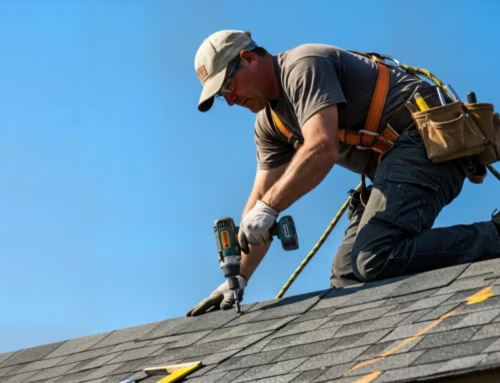
Shingle or panel installation represents the most visible phase of the project. Asphalt systems often reach completion within one to two days on standard homes.
Roof pitch, valleys, dormers, and intersecting lines influence pacing. Crews adjust workflows to maintain safety and accuracy, particularly on steeper surfaces. Attention to flashing around chimneys, vents, and skylights remains a priority throughout this stage.
Final Detailing and Site Cleanup
Once materials are in place, teams complete ridge caps, flashing seals, and ventilation components. A final inspection confirms alignment, fastening patterns, and water-shedding paths. This step also checks transitions near gutters and roof edges.
Cleanup follows immediately. Nails, debris, and packaging materials are removed to restore the property. Many homeowners appreciate a clean job site as much as the finished roof, especially in landscaped areas or shared driveways.
Factors That Influence Overall Timeline
Weather stands as the most unpredictable variable. Dry, mild conditions support steady progress, while rain, snow, or extreme heat may pause work for safety reasons. Roof size and design also shape duration. Larger footprints and complex layouts require additional labor hours.
Material type plays a role as well. Specialty systems involve more detailed installation steps. Accessibility matters too. Homes with limited driveway space, dense landscaping, or tight urban settings may require added coordination.
Structural findings beneath old roofing can extend timelines. Deck repairs or framing adjustments add necessary time but support long-term roof stability.
Why Professional Planning Matters
Accurate timelines rely on experience, inspection quality, and coordination between roofing and related systems. Chimneys, gutters, and ventilation all interact with the roof surface. Addressing these components together helps streamline the process and supports long-term performance.
Homeowners seeking guidance often turn to a trusted and local roofing company to explain each step clearly and set realistic expectations before work begins.
Start Your Roof Replacement With Clear Expectations
Here at American Chimney Gutter & Roofing, we guide homeowners through each phase of roof replacement with an educational approach rooted in safety and long-term care. Our team evaluates roofing, chimney, and gutter systems together to reduce delays and support smooth project flow.
Reach out today to discuss timelines, preparation steps, and what to expect before work begins.