
A chimney often looks solid and unchanged from the outside, yet subtle issues can form within the structure long before damage becomes visible. Homeowners across Georgia often discover chimney problems after noticing draft changes, odors, or moisture near the fireplace.
These signs usually reflect wear above the roofline, where weather, heat, and airflow place constant stress on materials. Understanding how these problems develop helps homeowners respond early, limit repair scope, and maintain safe operation throughout the heating season.
Masonry Wear and Surface Breakdown
Brick and mortar face steady exposure to rain, heat, and seasonal temperature shifts. Over time, mortar joints may recede or crack, and brick faces may begin to flake or separate. This surface breakdown allows water to enter the chimney system, which accelerates internal deterioration.
Freeze and thaw cycles worsen the issue by forcing moisture deeper into the masonry. Visible gaps or loose material around the chimney base or crown often signal underlying structural concerns that merit professional review.
Flashing Separation at the Roofline
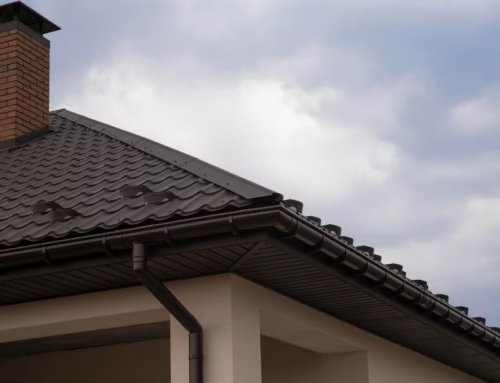
Flashing forms a sealed transition between the chimney and the roof. When flashing pulls away, corrodes, or lacks proper installation, water finds an easy path into the home. Many leaks near fireplaces trace back to flashing failures rather than roofing materials themselves.
Signs include ceiling stains, damp attic insulation, or moisture near the chimney chase. Because flashing connects roofing and chimney systems, inspection often benefits from coordination with a trusted local roofing company that understands both components above the roofline.
Flue Obstructions and Airflow Restrictions
The flue acts as the exhaust path for smoke and combustion byproducts. Obstructions such as creosote layers, fallen masonry, or animal nests reduce airflow and disrupt draft. Homeowners may notice smoke entering the room, weak fires, or lingering odors after use.
NFPA guidance notes that restricted flues also affect heating appliance performance when systems share a chimney. Regular evaluation helps identify buildup patterns before they interfere with safe operation.
Chimney Crown Cracks and Deterioration
The chimney crown sits at the top of the masonry and deflects water away from the flue and brickwork. Cracks in the crown allow water to enter directly into the structure, where it can damage liners and mortar.
Older crowns made from improper materials or lacking expansion joints often show early failure. Small cracks may appear harmless but tend to widen with exposure, especially during seasonal temperature changes common in North Georgia.
Moisture Intrusion and Water Damage
Water remains the leading source of long-term chimney damage. Once moisture enters the system, it affects liners, masonry, and interior finishes. White staining on exterior brick, rusted dampers, or damp fireboxes often point to prolonged exposure.
Moisture also supports mold growth and weakens structural components over time. Preventive maintenance and proper drainage help limit these effects, yet detection often requires trained inspection rather than surface observation alone.
Why These Problems Often Go Unnoticed
Many chimney problems develop slowly and remain hidden above the roofline or inside the flue. Homeowners may continue normal fireplace use without realizing that airflow or moisture patterns have changed.
Annual inspections bring these conditions to light and allow measured responses before repairs become extensive. NFPA-informed inspection practices focus on identifying early indicators that homeowners may not see from ground level.
When Professional Evaluation Makes Sense
Professional chimney technicians use visual assessment, tools, and system knowledge to evaluate the full structure. This approach helps distinguish surface wear from deeper concerns and supports informed maintenance planning.
Homeowners seeking long-term performance often rely on residential chimney services that address inspection, cleaning, and repair as a connected system rather than isolated tasks.
Schedule a Chimney Evaluation With Our Team
At American Chimney Gutter & Roofing, we approach chimney problems with education, transparency, and respect for your home. Our licensed and insured technicians evaluate conditions above the roofline using NFPA-informed practices and explain findings in clear terms.
If your chimney shows early signs of wear or airflow change, our team helps you address concerns with clean work habits and solutions that support comfort and peace of mind.