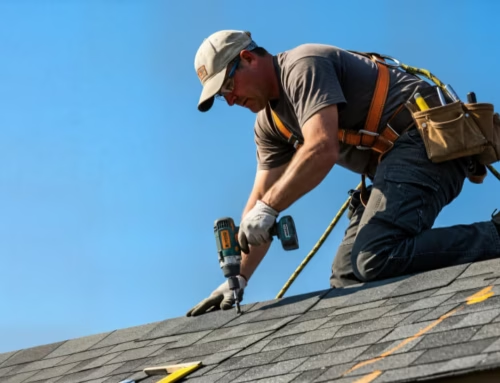


A roof does far more than cover a home. It regulates heat, manages moisture, supports ventilation, and shields every system below it from weather stress. As materials age, performance shifts in subtle ways that homeowners may not notice right away. Draft changes, rising utility costs, and recurring repairs often trace back to a roof that has reached the end of its service life.
Understanding the benefits of a new roof helps homeowners make informed decisions that protect comfort, structure, and long-term value across every season.
Stronger Protection Against Weather Exposure
Modern roofing systems offer improved resistance to wind uplift, heavy rainfall, and extended sun exposure. Updated fastening techniques and advanced underlayment materials create a tighter seal that helps control water movement during severe weather.
This added protection shields the roof deck and supporting structures from moisture intrusion. As a result, insulation remains drier, interior ceilings stay intact, and the risk of weather-related damage decreases over time, even during repeated seasonal storms.
Improved Energy Control Inside the Home
A roof influences how heat moves in and out of living spaces. New materials reflect more solar heat and work in coordination with proper ventilation to stabilize indoor temperatures. Attics remain cooler during summer months, and heated air stays contained during colder periods. These changes reduce strain on heating and cooling systems, which often translates to steadier comfort and more predictable energy use.
Higher Property Value and Buyer Appeal
Homebuyers pay close attention to roof age because replacement ranks among the most expensive exterior upgrades. A new roof signals responsible maintenance and reduces future expenses for the next owner. This reassurance often shortens time on the market and supports stronger offers. Appraisers also factor roof condition into property assessments, which can influence resale outcomes.
Better Moisture Management and Indoor Air Quality
Moisture that enters through an aging roof does not always appear as a visible leak. Slow seepage can affect attic framing, insulation, and ventilation pathways. Over time, this environment supports mold growth and musty odors. A new roof paired with proper ventilation helps keep moisture outside the building envelope, which supports healthier indoor air conditions for occupants.
Reduced Insurance Complications
Insurance providers often assess roof age, material quality, and overall condition when determining coverage terms. As roofs age, policies may include exclusions or reduced protection tied to normal wear. Installing a new roof can support more favorable policy treatment and help limit disputes during storm-related claims.
Updated installation records and material documentation also give homeowners clearer reference points when working with adjusters. This clarity helps streamline communication after severe weather events and supports smoother resolution during the claims process.
Safer Conditions for Maintenance and Access
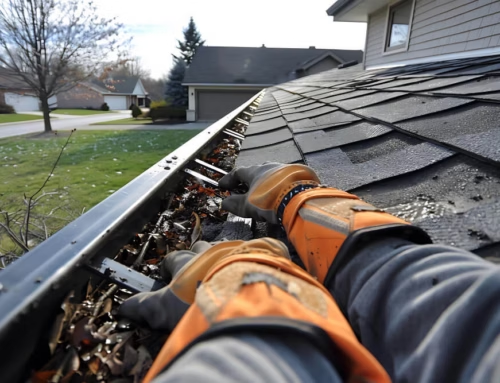
A deteriorated roof may have soft decking, loose shingles, or unstable surfaces. These conditions increase risk for anyone who needs access, such as for gutter cleaning or exterior repairs. A new roof restores surface stability and reduces hazards associated with aging materials, which supports safer routine maintenance around the home.
Access to Modern Roofing Materials
Roofing technology continues to advance. New shingles and panels offer higher wind ratings, improved fire resistance, and longer service lives. Some materials also reduce noise during heavy rain. Homeowners who replace an older roof gain access to these advancements, which were not available during previous installations decades ago.
Updated Warranty Coverage
A new roof includes manufacturer warranties that cover material defects for extended periods. Installation warranties may also apply when work meets current standards. These protections offer clarity and peace of mind if material issues arise. Understanding warranty terms allows homeowners to plan maintenance with confidence rather than uncertainty.
Lower Ongoing Maintenance Demands
As roofing materials age, maintenance often becomes a recurring task. Homeowners may find themselves patching small leaks, replacing loose shingles, or monitoring problem areas after each storm. These repeated repairs consume time and money while underlying wear continues. A new roof shifts the focus away from constant fixes and toward simple, scheduled inspections.
With updated materials and installation standards, the system performs more consistently, which helps homeowners plan maintenance calmly instead of reacting to unexpected issues throughout the year.
Improved Integration With Chimney and Gutter Systems
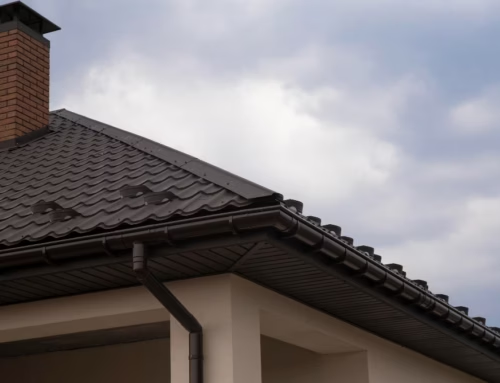
The roofline connects directly to chimneys, flashing, and gutter systems. When one component fails, others often suffer. A new roof allows technicians to address these connections as a coordinated system, reducing weak points where water and debris collect. Homeowners often coordinate roof replacement with residential chimney services to support safe venting and moisture control above the roofline.
Greater Confidence During Severe Weather
Storm season places heavy demands on roofing systems. High winds, hail, and driving rain test material strength and installation quality. A new roof offers confidence during severe weather events because materials meet current performance standards. Homeowners experience less anxiety during storms and fewer emergency repairs afterward.
Why Timing Matters for Roof Replacement
Many homeowners delay replacement until damage becomes obvious. By that point, moisture may have already affected insulation or framing. Proactive replacement allows for planned scheduling, material selection, and coordination with related systems. This approach often limits secondary damage and helps control overall project scope.
The Role of Professional Assessment
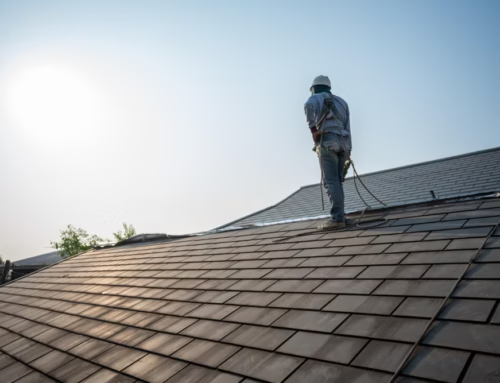
Roof condition cannot always be judged from the ground. Professional evaluations examine shingles, flashing, ventilation, and structural components. This assessment clarifies whether repair or replacement aligns best with long-term goals.
Homeowners who work with a trusted local roofing company benefit from informed guidance that considers local climate patterns and construction standards.
Long-Term Value Beyond the Surface
The benefits of a new roof extend beyond appearance. Improved energy performance, moisture control, and structural protection work together to support the entire home. These gains often outweigh the initial investment when considered over the life of the system. Homeowners gain stability, comfort, and reduced uncertainty about future repairs.
Start a Smarter Roof Evaluation Today
Here at American Chimney Gutter & Roofing, we help homeowners understand how roof condition affects comfort, safety, and long-term value. Our licensed and insured team evaluates roofing systems with an educational approach and clear communication.
If your home shows signs of age or performance changes, we guide you through options that support reliable protection above the roofline and lasting peace of mind.