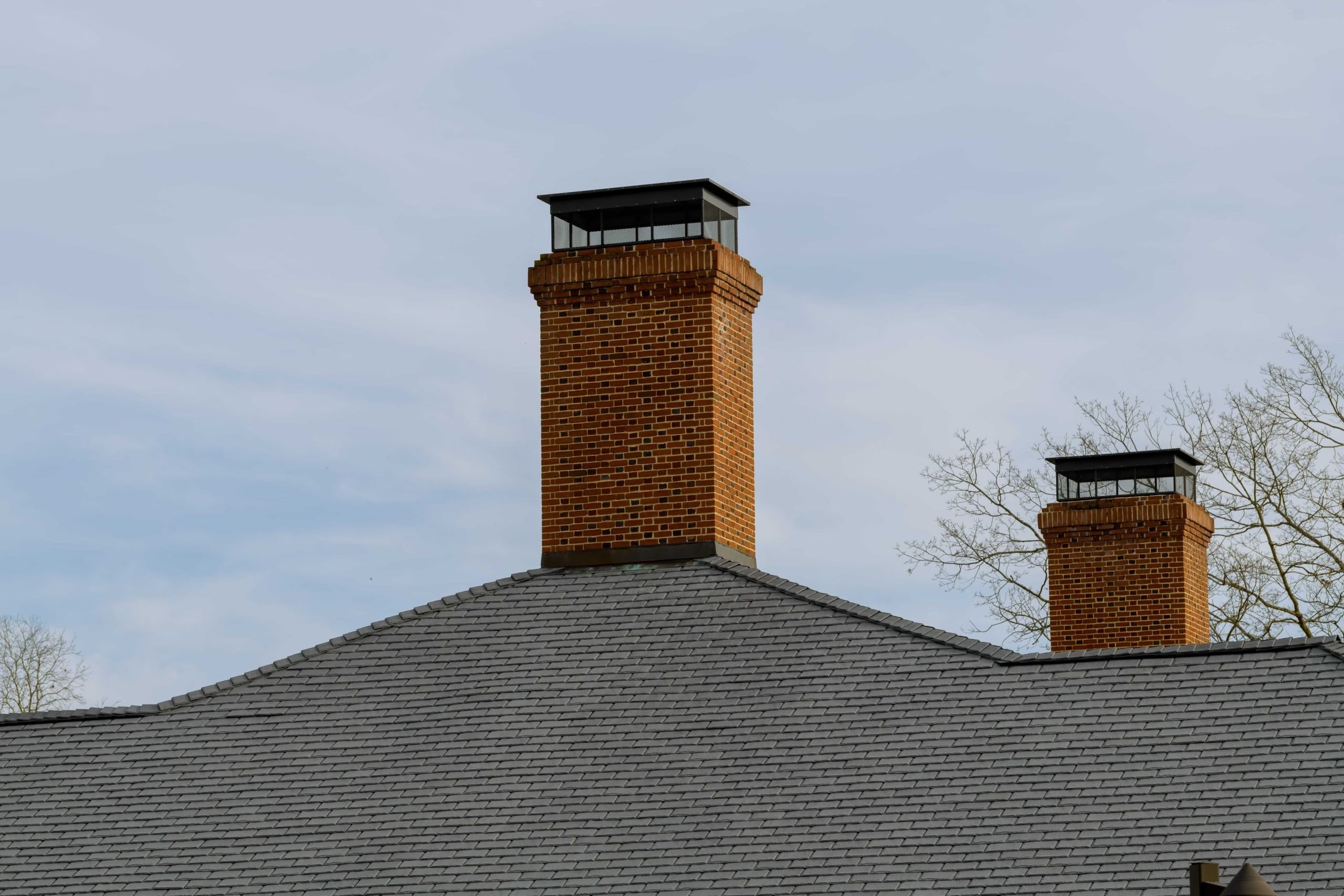
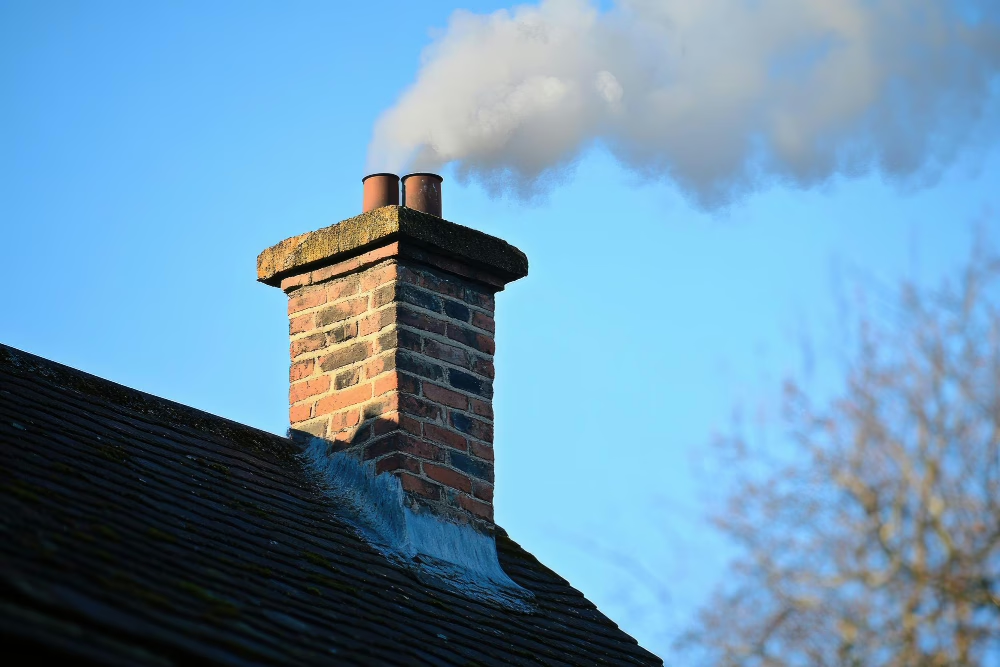
A chimney is more than a decorative feature rising above your roofline. It is a working structural system that vents combustion gases safely out of your home while standing up to years of weather exposure.
Over time, natural wear, moisture, and shifting materials can compromise its stability. Recognizing the signs chimney is collapsing allows homeowners to address concerns early, protect their investment, and maintain a safe living environment.
With routine inspections and professional evaluation, deterioration can be identified before it leads to extensive structural repairs.
Cracked or Spalling Bricks
One of the earliest visible signs chimney is collapsing appears in the masonry itself. Bricks that begin to crack, flake, or break apart indicate moisture intrusion and freeze-thaw expansion. This process weakens the surface and gradually erodes structural integrity.
In Georgia’s climate, repeated exposure to rain followed by temperature changes can accelerate this deterioration. Spalling bricks may appear minor at first, but over time, compromised masonry can loosen surrounding materials and reduce overall stability. Addressing damaged bricks promptly helps preserve the chimney’s structural strength.
Deteriorating or Missing Mortar Joints
Mortar joints bind bricks together and distribute structural loads throughout the chimney. When mortar begins to crumble, crack, or separate, the chimney loses cohesion and becomes more vulnerable to shifting or leaning.
Damaged mortar joints often result from years of weather exposure or moisture infiltration. Even small gaps allow water to enter, which can expand and worsen deterioration. A professional inspection identifies areas requiring repointing before structural movement develops.
Chimney Leaning or Tilting
A leaning chimney is one of the more noticeable signs chimney is collapsing. While slight settlement can occur naturally in older homes, visible tilting or separation from the siding or roofline indicates a more serious concern.
Leaning may result from foundation settlement, soil movement, or prolonged moisture damage weakening the base. Any change in vertical alignment deserves professional evaluation. Prompt action prevents further shifting and reduces the likelihood of extensive structural repairs.
Interior Water Stains or Moisture Intrusion
Moisture remains one of the most common contributors to chimney deterioration. Water entering through a damaged crown, flashing, or missing cap can travel downward into attic spaces and interior walls.
Homeowners may notice staining on ceilings near the chimney, musty odors, or peeling paint around fireplace areas. Over time, continued moisture exposure weakens masonry and internal components. Professional services such as chimney cap installation and repair help protect against ongoing water intrusion and structural decay.
Loose or Falling Bricks
If bricks begin separating from the structure or falling entirely, this is a clear indication of advanced deterioration. Loose masonry presents both structural and safety concerns, particularly during severe weather or high winds.
When bricks detach, the surrounding mortar and internal structure may also be compromised. Immediate professional assessment helps determine the extent of damage and the appropriate corrective solution.
Rusted or Damaged Chimney Components
Metal components such as chase covers, flashing, and caps play an important role in protecting the chimney from water penetration. Rusted, warped, or detached metal elements allow moisture to enter vulnerable areas.
Once moisture penetrates beneath flashing or inside the flue system, long-term deterioration can accelerate. Addressing damaged exterior components promptly reduces structural strain and extends the lifespan of the entire chimney system.
Flue Tile Damage or Internal Liner Issues
Not all structural concerns are visible from the ground. Internal liner cracks or flue tile damage can weaken the chimney from within. The National Fire Protection Association recommends regular inspections of chimneys, fireplaces, and venting systems to evaluate both exterior and interior conditions.
A compromised liner allows heat and combustion byproducts to contact surrounding materials, which can impact performance and safety.
Why Early Detection Matters
Recognizing the signs that the chimney is collapsing allows homeowners to take measured, informed action. Structural deterioration rarely happens overnight. Instead, it develops gradually through moisture intrusion, weather exposure, and natural aging.
Early evaluation offers several advantages:
- Protects the roofline and surrounding framing.
- Prevents escalating repair costs.
- Maintains proper venting performance.
- Preserves property value.
- Extends the lifespan of masonry components.
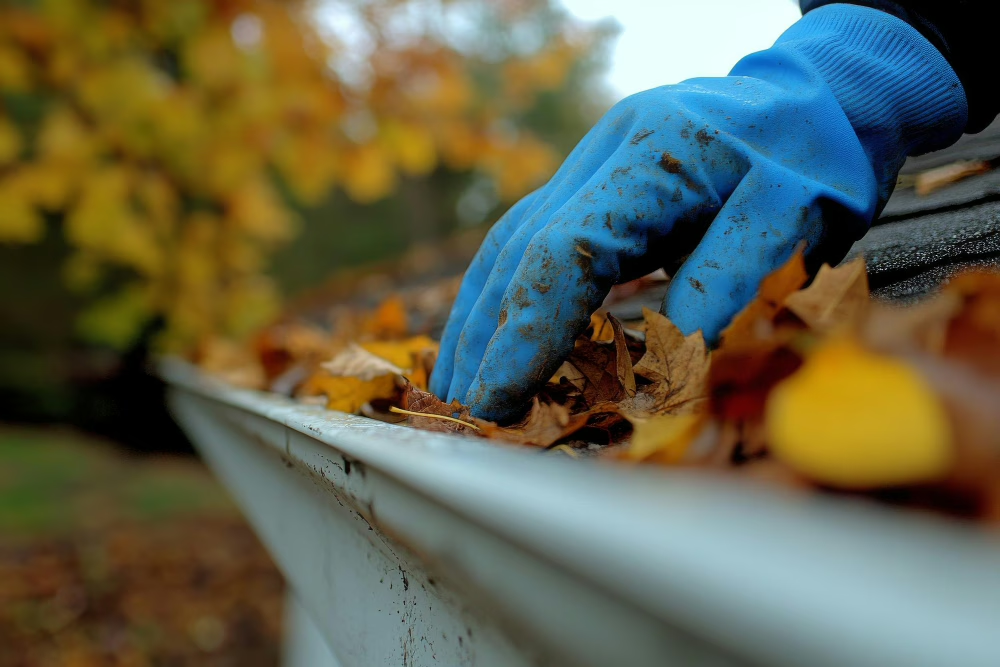
Chimneys function as part of a broader above-the-roofline system. Roofing, flashing, and gutter components all work together to manage water and shield the home’s structure.
The Importance of Professional Evaluation
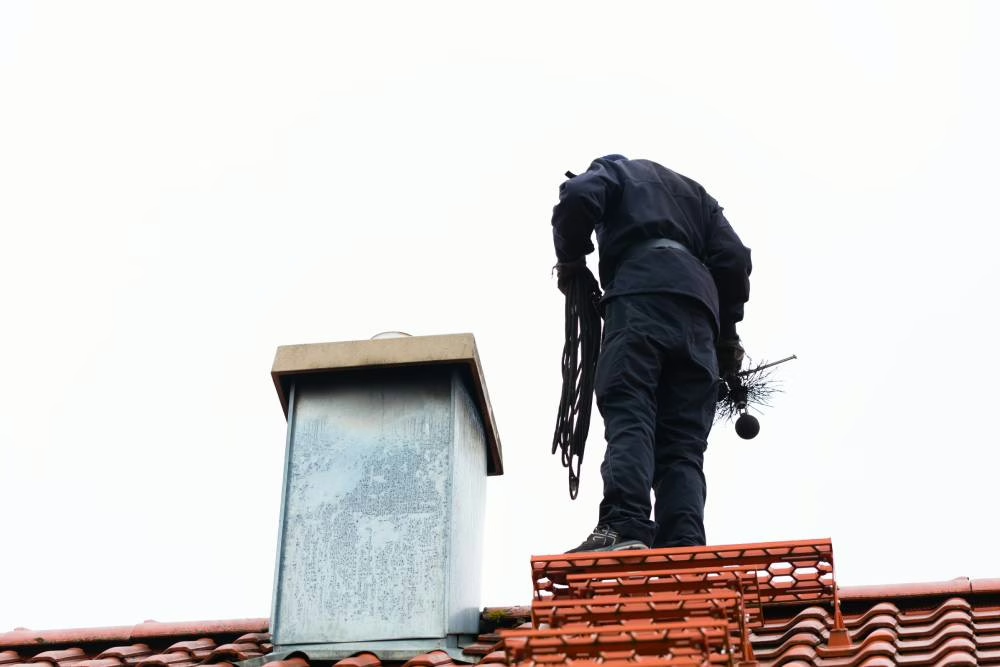
Professional chimney inspections follow recognized safety guidelines and include thorough visual examinations of both accessible exterior and interior areas. This methodical approach allows technicians to identify early-stage masonry issues, moisture pathways, and structural movement.
Homeowners value clear communication, detailed findings, and recommendations that are explained in practical terms. Professional residential chimney services should focus on education and long-term maintenance rather than alarm-driven messaging. When inspections include written assessments and photo documentation, it becomes easier to understand the condition of the chimney and plan appropriately.
Schedule Your Chimney Evaluation Today
At American Chimney Gutter & Roofing, we take pride in serving Georgia homeowners with three decades of experience above the roofline. We inspect, document, and address chimney concerns with professionalism and transparency.
If you have noticed warning signs or simply want peace of mind, contact us and allow our team to help protect your home and family with expert care.