A fireplace brings comfort to your home, but the chimney system behind it requires regular attention to stay safe and functional. Over time, natural wear, weather exposure, and regular use can affect performance and safety.
Understanding the difference between a level 1 vs level 2 chimney inspection allows homeowners to make informed decisions about maintenance, real estate transactions, and system updates.
With proper evaluation guided by industry standards, your chimney can continue functioning reliably while protecting your home and family.
Understanding Chimney Inspection Standards
Chimney inspections are not arbitrary recommendations. They follow nationally recognized guidelines established by the National Fire Protection Association. These standards outline three inspection levels based on usage, structural changes, property transactions, or suspected damage.
The higher the inspection level, the more detailed the evaluation. However, that does not mean every home requires the most extensive option. Selecting the appropriate level depends entirely on the condition of the system and recent changes that may affect its operation.
For most homeowners in Georgia, the decision often comes down to understanding the practical differences between a Level 1 and Level 2 inspection.
What Is a Level 1 Chimney Inspection?
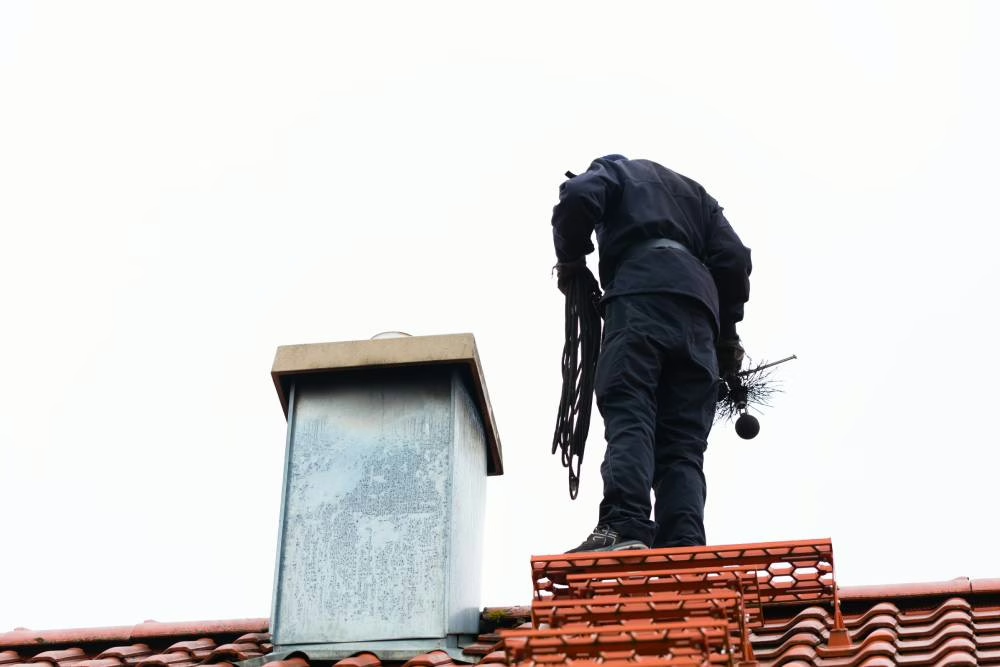
A Level 1 inspection is the most common type of chimney evaluation. It is typically performed when the fireplace and venting system have not changed and are operating under the same conditions as the previous year.
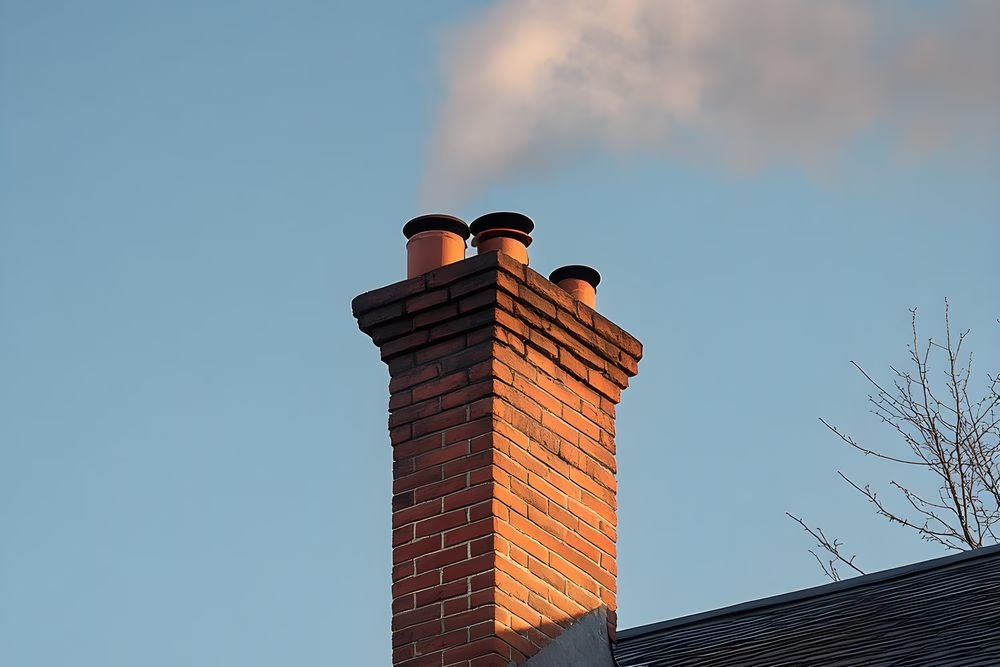
This inspection includes a visual examination of readily accessible portions of the chimney exterior, interior, and flue. The technician checks for structural soundness, basic appliance connections, and the presence of combustible deposits or obstructions. If buildup is present, the technician will most likely recommend a chimney cleaning, which depending on the schedule for the day and upon approval of the additional investment can be performed during the visit.
When Is a Level 1 Inspection Appropriate?
A Level 1 inspection is recommended when:
- The system has not been altered.
- The fuel type remains the same.
- The liner and appliance have not been replaced.
- There has been no known damage.
- The chimney has been in continuous use without interruption.
For many homeowners who use their fireplace seasonally, this annual inspection keeps the system operating efficiently while identifying minor concerns before they develop into larger repairs.
What Is a Level 2 Chimney Inspection?
A Level 2 inspection builds upon everything included in a Level 1 evaluation but adds a more detailed internal assessment using a video camera. This allows the technicians to examine concealed portions of the flue that cannot be seen during a standard visual review.
A Level 2 inspection does not involve demolition or removal of permanent building materials. However, it does offer a deeper look into the system to evaluate hidden defects, liner integrity, and structural changes.
When Is a Level 2 Inspection Required?
According to guidelines from the National Fire Protection Association, a Level 2 inspection is recommended under specific circumstances:
- After a chimney fire.
- Following weather-related events such as storms or lightning strikes.
- When buying or selling a property.
- After changing fuel types.
- After installing a new appliance with a different efficiency rating.
- When modifying the flue liner or venting configuration.
In real estate transactions, a Level 2 inspection is commonly requested because it documents the condition of concealed areas and gives both buyer and seller greater clarity about the chimney’s structural integrity.
Level 1 Vs Level 2 Chimney Inspection: Key Differences
Understanding the difference between a level 1 vs level 2 chimney inspection comes down to scope and depth.
Level 1 Inspection:
- Visual evaluation of accessible areas.
- Basic cleaning when necessary.
- Confirmation of structural soundness and obstruction-free flue.
- Suitable for unchanged systems in regular use.
Level 2 Inspection:
- Includes all Level 1 components.
- Internal video scanning of concealed flue areas.
- Recommended after changes, damage, or property transfer.
- Offers a more detailed assessment of hidden conditions.
The goal is not to select the highest level automatically, but rather the one that aligns with your home’s current situation.
Why Proper Inspection Matters in Georgia
Homes in Northwest Georgia and the greater Atlanta metropolitan area experience a range of seasonal weather patterns, including heavy rainfall, humidity, and occasional freezing temperatures. These environmental factors affect masonry, chimney caps, flashing, and liners over time.
Moisture intrusion remains one of the most common causes of chimney deterioration. Damaged caps, deteriorating crowns, and compromised flashing can allow water to enter the system, leading to interior staining, masonry cracking, or liner damage.
Addressing these concerns early through regular inspections protects both structural integrity and long-term performance.
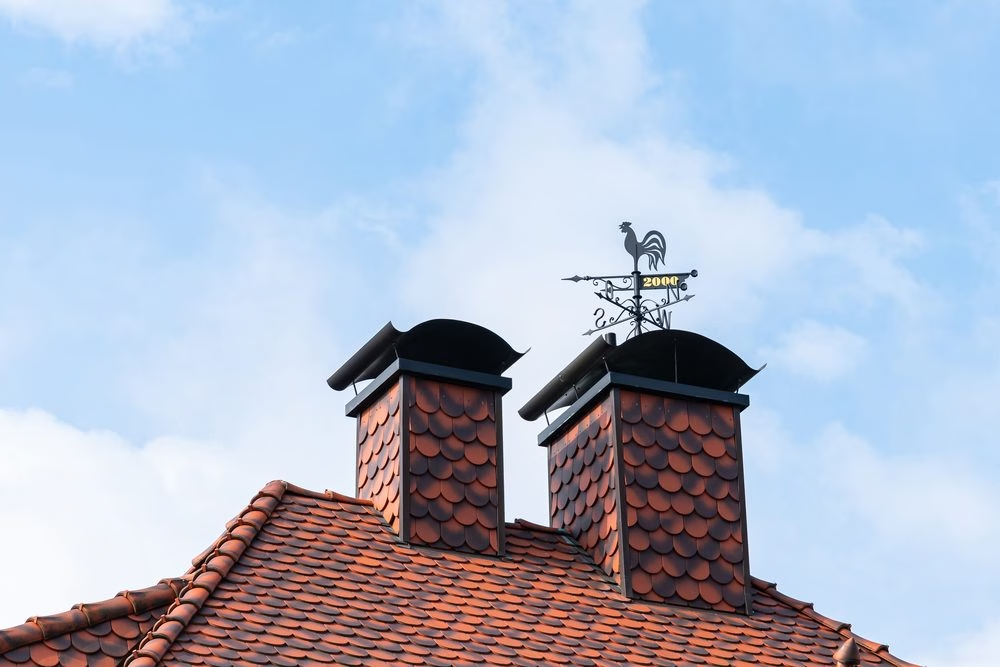
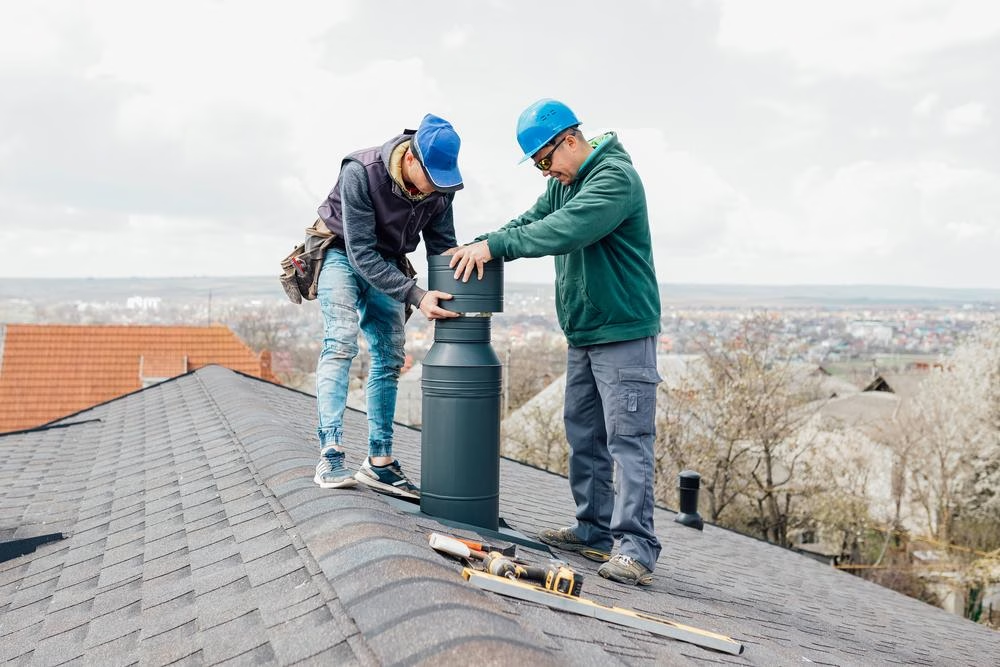
If exterior components such as caps require attention, professional services like chimney cap installation and repair play an important role in defending the chimney from moisture and debris.
Common Homeowner Questions
How Often Should a Chimney Be Inspected?
The National Fire Protection Association recommends annual inspections for chimneys, fireplaces, and venting systems. Even if usage has been limited, natural wear and weather exposure justify routine evaluation.
Does Every Home Sale Require a Level 2 Inspection?
In many cases, yes. Real estate professionals frequently request a Level 2 inspection to document concealed conditions before closing. This practice benefits both parties by clarifying the system’s condition and identifying any necessary repairs.
What If Damage Is Found?
If damage is identified during either inspection level, the technician will outline the condition and recommend corrective measures. Only in situations involving concealed defects that require opening structural components would a Level 3 inspection be considered.
The Value of a Professional, Educational Approach
Chimney inspections should never feel intimidating or alarm-driven. An educational approach helps homeowners understand the system, the reasoning behind recommendations, and the steps needed to maintain performance.
At residential chimney services, the focus remains on clarity, documentation, and preventative care. Detailed proposals and photo documentation allow homeowners to see the condition of their chimney firsthand, reinforcing transparency throughout the process.
Professional inspections also help preserve the lifespan of related above-the-roofline components such as roofing and gutter systems. Because these systems work together to manage water and protect structural framing, addressing them collectively offers long-term value.
Signs That It May Be Time for a Level 2 Inspection
While annual Level 1 inspections meet the needs of many homeowners, certain circumstances indicate that a Level 2 evaluation may be appropriate:
- A recent roof replacement or structural modification.
- Installation of a new gas insert or wood-burning appliance.
- Noticeable performance changes such as drafting irregularities.
- Visible cracks in masonry after severe weather.
- Purchasing a previously owned home.
Schedule Your Chimney Inspection With Confidence
At American Chimney Gutter & Roofing, we approach chimney inspections with professionalism, transparency, and nearly three decades of experience serving Georgia homeowners. Our team follows recognized safety guidelines and documents every finding so you understand your system clearly.
If you are unsure which inspection level fits your situation, we are here to guide you. Reach out to us and let us help you protect your home above the roofline.