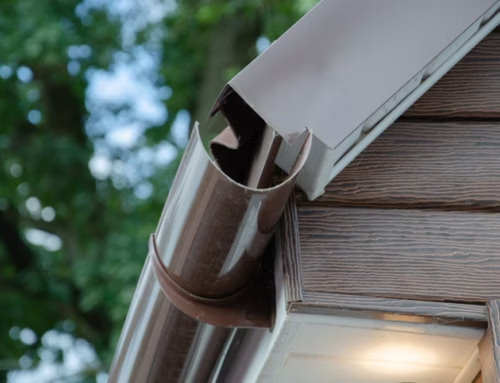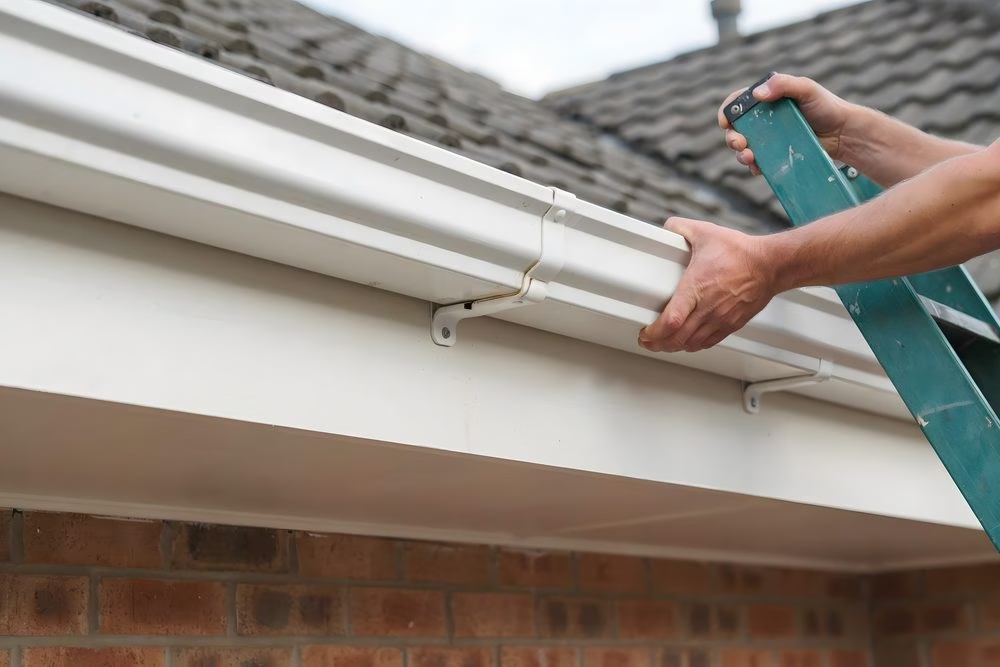


When it comes to protecting your home from water damage, gutter flashing plays a critical role, yet it’s often overlooked. Positioned at the edge of your roof, this simple component makes sure that rainwater flows into your gutters instead of seeping into vulnerable areas of your home.
For homeowners across Georgia, where seasonal storms and heavy rainfall are common, understanding how gutter flashing works is part of maintaining a safe and efficient roofing system. It is a functional barrier that supports the long-term performance of your roof and gutters.
Understanding What Gutter Flashing Actually Does
Gutter flashing is a thin strip of metal, typically aluminum or galvanized steel, installed along the roofline where shingles meet the gutter system. It is sometimes referred to as a gutter apron or drip edge, depending on its placement and design.
Its primary function is straightforward: it directs water from the roof into the gutters. Without this transition point, water can slip behind the gutter, reaching areas that are not designed to handle continuous moisture exposure.
This controlled water flow helps maintain the integrity of the entire roofing system. Rather than allowing water to move unpredictably, gutter flashing makes sure that it follows a defined path away from the home.
Why Gutter Flashing Matters for Your Home
Water does not need a large opening to cause problems. Even small gaps along the roofline can allow moisture to enter areas like fascia boards or roof decking. Over time, this can affect the structure and performance of the roof.
Gutter flashing acts as a safeguard by bridging the gap between roofing materials and the gutter system. It helps:
- Prevent water from seeping behind gutters
- Protect fascia and soffit from prolonged exposure
- Reduce the likelihood of moisture-related deterioration
- Support the overall durability of roofing materials
In regions like Northwest Georgia, where weather patterns can shift quickly, these protections become even more important. Properly installed flashing contributes to consistent drainage, especially during heavy rainfall.
The Impact of Missing or Damaged Gutter Flashing
When gutter flashing is missing or no longer functioning properly, water begins to behave differently. Instead of flowing directly into the gutters, it may run behind them or pool near the roof edge.
This can lead to:
- Moisture buildup behind fascia boards
- Gradual weakening of roof decking
- Interior signs such as damp patches near ceilings or walls
- Reduced efficiency of the gutter system
These issues do not always appear immediately. In many cases, they develop slowly, which is why regular inspection and maintenance are recommended as part of responsible homeownership.
How Gutter Flashing Supports Roof Longevity
Every part of a roofing system is designed to work together. Gutter flashing plays a small but important role by directing water properly at the edge of the roof.
By directing water efficiently, it reduces unnecessary exposure to moisture across multiple components. This helps extend the lifespan of:
- Roofing shingles
- Fascia boards
- Gutter systems
- Underlayment and decking
Instead of reacting to damage later, maintaining proper flashing allows homeowners to take a preventative approach. This aligns with broader industry recommendations that emphasize routine inspections and proactive care.
Common Types of Gutter Flashing
Not all gutter flashing is identical. Different types are used depending on the structure of the roof and the needs of the home.
- Drip Edge Flashing: Installed along the roof edge, this type guides water directly into the gutters while protecting the edge of the roof from moisture exposure.
- Gutter Apron: Placed under shingles and extending into the gutter, this design is especially effective in preventing water from slipping behind the gutter system.
- Standard Flashing: A more basic option used to close gaps between the roofline and gutters, ensuring consistent water flow.
Each type serves the same purpose but may be selected based on the condition of the roof and the design of the existing gutter system.
Installation Considerations That Affect Performance
While gutter flashing may appear simple, proper installation requires attention to detail. It must be positioned correctly beneath the shingles and extend far enough into the gutter to guide water effectively.
Key considerations include:
- Proper overlap between flashing sections
- Secure fastening without damaging the material
- Alignment with the slope of the roof
- Integration with the gutter system
Even minor misalignment can affect how water flows. This is why installation is typically handled as part of a broader roofing or gutter service, rather than as a standalone quick fix.
Maintenance and Inspection Best Practices
Like any exterior component, gutter flashing benefits from periodic inspection. Regular checks help identify early signs of wear before they affect surrounding materials.
Homeowners should pay attention to:
- Loose or lifted flashing
- Signs of rust or corrosion
- Water marks near the roof edge
- Gutter overflow during rainfall
If adjustments or repairs are needed, addressing them early supports the overall condition of the roof.
The Connection Between Gutter Flashing and Gutter Performance
Gutter systems rely on proper water entry to function as intended. If water bypasses the gutter due to poor flashing, even a well-installed gutter system may underperform.
This is why gutter flashing is often considered part of a complete drainage solution. Homeowners looking for gutters experts in Marietta, GA should make sure that flashing is included in any inspection or installation process.
When gutters and flashing work together, water is directed away from the home efficiently, reducing strain on both systems.
A Preventative Approach to Home Protection
Industry standards, including general safety recommendations referenced by organizations like the National Fire Protection Association (NFPA), emphasize the importance of regular inspections and maintenance across home systems.
While NFPA guidelines are often associated with fire safety, the broader principle applies here as well, proactive care reduces risk. Maintaining gutter flashing is part of that approach.
Rather than waiting for visible damage, addressing small components like flashing helps preserve the structure and performance of the home over time.
Built on Experience, Focused on Your Home
We approach gutter flashing as part of a complete above-the-roofline system. Our team inspects how water moves across your roof and identifies gaps in protection.
With decades of hands-on experience, we focus on solutions that prevent issues before they start so your home stays protected without unnecessary repairs.