

When homeowners evaluate types of gutters, the focus is often on style, material, and cost. What is less discussed is how those gutters connect to the roof, and that connection is where gutter flashing becomes essential.
Gutter flashing sits at the edge of the roofline and helps water transition properly from shingles into the gutter system. Without it, even the most well-installed gutters can underperform.
Understanding this relationship helps homeowners make better decisions about installation, maintenance, and long-term protection.
What Gutter Flashing Is and Where It Fits in Your System
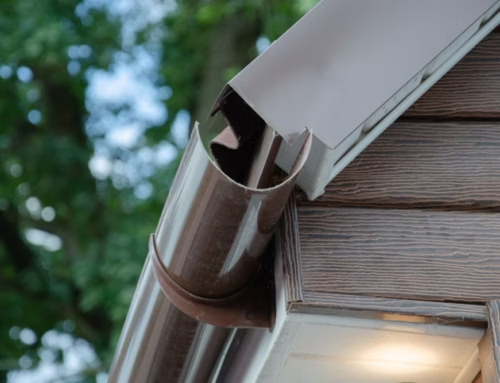
Gutter flashing is a narrow strip of metal installed beneath the edge of the roof shingles and extending slightly into the gutter. It is often referred to as a gutter apron or drip edge, depending on its design.
Its role is to guide water into the gutter system while preventing it from slipping behind the gutter. This is especially important at the roof edge, where even small gaps can allow water to reach the fascia or roof decking.
When flashing is installed correctly, it creates a controlled path for water. Instead of dispersing unpredictably, water flows directly into the gutter and continues through the drainage system.
How Gutter Flashing Works With Different Types of Gutters
The performance of gutter flashing is closely tied to the types of gutters installed on a home. Each style handles water differently, and flashing helps direct water into the system as intended.
- K-style gutters, which are common in modern homes, are designed to handle higher volumes of water. Flashing helps direct water into their deeper channels, improving overall efficiency during heavy rainfall.
- Half-round gutters, often found on older or traditional homes, rely on a smoother flow of water. Proper flashing placement helps water enter the curved channel cleanly without spilling behind the system.
- Seamless gutters, which are custom-fit to the home, benefit from flashing that aligns precisely with the roofline. This combination reduces the likelihood of leaks at connection points.
Why Water Control at the Roof Edge Matters
Water management starts at the highest point of the roof and continues through every component below it. If water is not directed properly at the edge, problems can develop even if the rest of the system is functioning.
Without effective flashing, water may:
- Move behind the gutter instead of into it
- Soak into fascia boards or roof decking
- Contribute to gradual structural wear
These issues are often not visible immediately. They develop over time, which is why maintaining proper water flow at the roof edge is considered a preventative measure rather than a reactive fix.
The Role of Gutter Materials in Flashing Performance
The material used in your gutter system also influences how well flashing performs. Different materials interact with water flow, temperature changes, and installation methods in different ways.
Aluminum gutters are widely used due to their resistance to rust and ease of installation. When paired with properly installed flashing, they provide consistent drainage with minimal maintenance.
Vinyl systems are lightweight and budget-conscious, but they may expand or contract with temperature changes. In these cases, flashing must be installed carefully to maintain alignment over time.
Copper and zinc systems are often selected for durability and long-term performance. These materials require precise installation, and flashing plays a key role so that water is directed correctly without affecting surrounding components.
The connection between material choice and flashing performance is often overlooked, but it directly impacts how the system functions during changing weather conditions.
Key Components That Work Alongside Gutter Flashing
Gutter flashing does not work alone. It is part of a system that includes several components designed to move water away from the home efficiently.
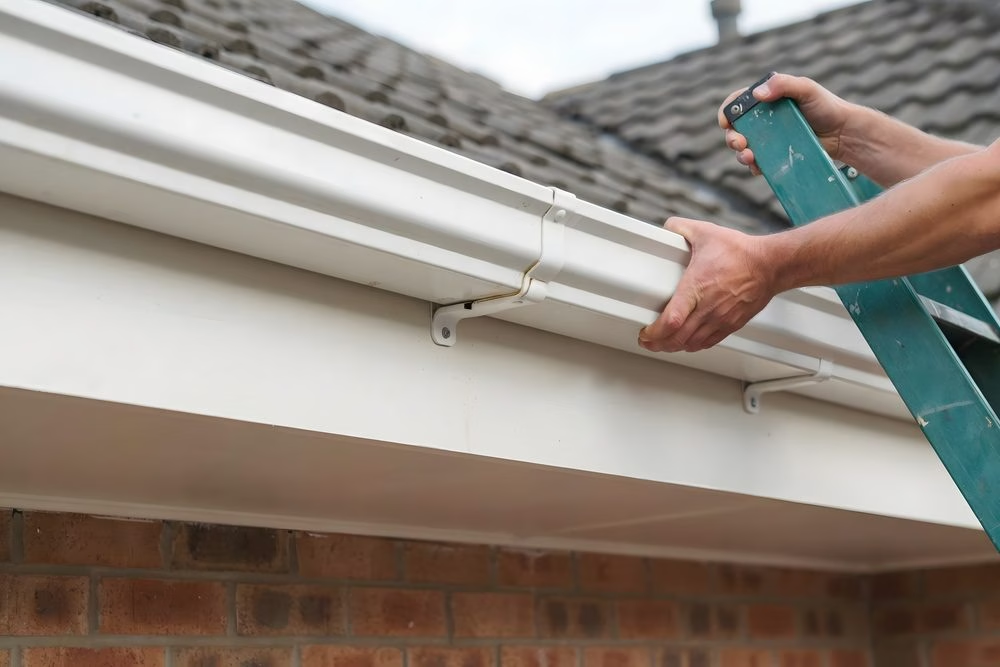
Gutters collect water along the roofline, while downspouts carry it to the ground. Elbows adjust the direction of flow, and brackets secure the system in place. End caps close off the edges to prevent leaks.
Flashing helps guide water into the system at the correct point. Without that initial guidance, even properly installed components can struggle to perform as intended.
What Happens When Gutter Flashing Is Missing or Failing
When gutter flashing is not present or has deteriorated, the first change is often in how water moves during rainfall. Instead of flowing into the gutter, it may begin to travel behind it.
Over time, this can lead to:
- Moisture exposure along the roof edge
- Gradual weakening of fascia boards
- Reduced efficiency of the gutter system
In some cases, homeowners may notice water marks or inconsistent drainage patterns. These signs indicate that water is not being directed properly at the roofline.
Installation Factors That Influence Long-Term Results
The effectiveness of gutter flashing depends heavily on how it is installed. It must be positioned beneath the shingles and extend far enough into the gutter to guide water consistently.
Proper overlap between flashing sections is also important. This prevents water from entering gaps between pieces.
Fastening must be secure without damaging the material. If flashing is bent or misaligned during installation, it can affect how water flows into the gutter system.
Because of these factors, flashing is typically installed as part of a broader roofing or gutter service rather than treated as a separate task.
Maintenance Considerations for Homeowners
Routine maintenance plays a role in keeping gutter flashing effective. While it does not require frequent attention, periodic inspections help identify early signs of wear.
Homeowners should look for:
- Sections that appear loose or lifted
- Visible rust or corrosion
- Water bypassing the gutter during rainfall
For those working with gutters experts in Marietta, GA, inspections often include evaluating how flashing interacts with the entire system, not just the gutters themselves.
A Preventative Approach to Roof and Gutter Care
Maintaining gutter flashing aligns with broader industry recommendations that emphasize preventative care. Organizations such as the National Fire Protection Association (NFPA) highlight the importance of routine inspections in maintaining home safety and system performance.
While NFPA guidance often focuses on fire-related systems, the same principle applies here. Regular evaluation of roof and gutter components helps reduce the likelihood of long-term issues.
By addressing smaller elements like flashing early, homeowners can avoid more extensive repairs later.
Where Experience Makes the Difference
At American Chimney Gutter & Roofing, we view gutter flashing as part of the full system above your roofline, not just a single component. Our approach focuses on how water moves, where protection is needed, and how each element works together.
If you’re unsure whether your gutter system is performing as it should, schedule a professional inspection with our team.
We’ll assess your gutters, flashing, and overall drainage so that your home is protected with solutions that make sense for the long term.