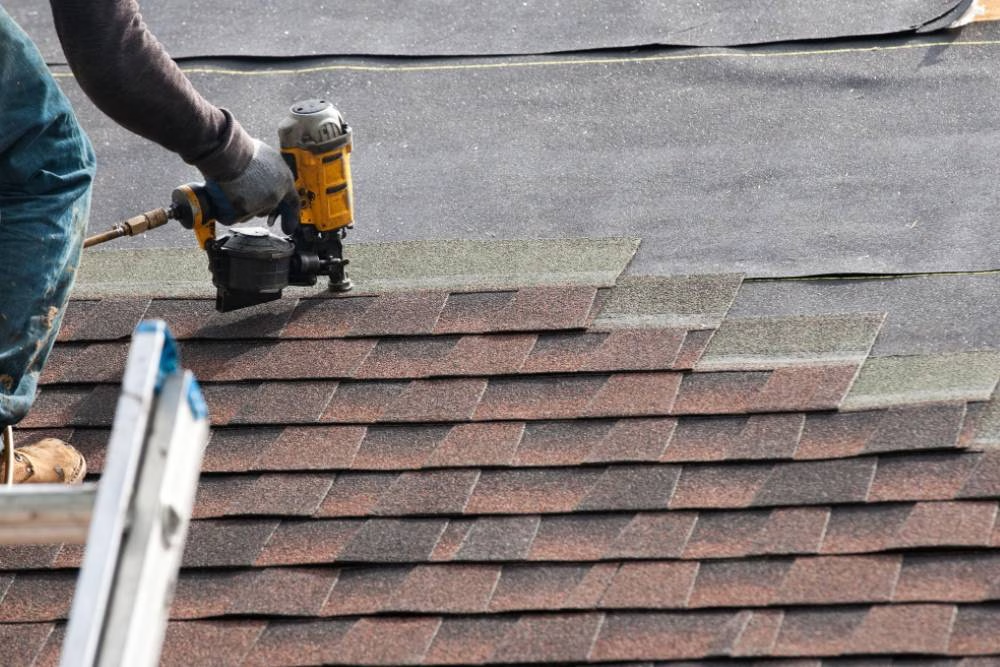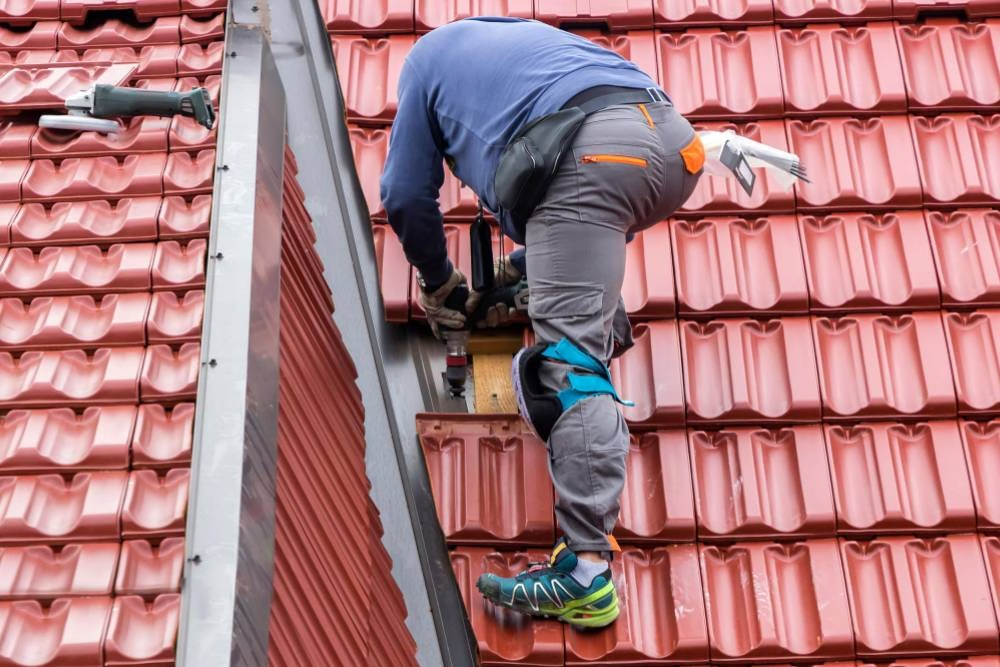


Homeowners know that heat and rain can put a home through its paces, but humidity often causes problems much more quietly. Georgia humidity can affect your home’s roofline and it boils down to what happens when persistent moisture meets roofing materials, attic spaces, gutters, fascia, soffits, and chimneys over months or years.
Unlike a single severe storm, humid conditions can create gradual deterioration that homeowners may not notice until stains, odors, damaged wood, or other warning signs appear. Understanding where moisture collects and how the entire roofline manages it can help homeowners protect their property before small concerns become expensive repairs.
Why Georgia’s Humidity Deserves Attention
Humidity refers to water vapor in the air, which means moisture can affect a home even when rain doesn’t actively fall. Warm, humid conditions can keep roofing and exterior components damp longer after rain, morning dew, or condensation develops. Materials that repeatedly absorb moisture and dry out can experience premature wear, especially when ventilation or drainage problems keep them from drying efficiently. Georgia’s long stretches of warm weather make moisture management an important part of routine roofline maintenance.
Homeowners should think beyond shingles when evaluating this risk because the roofline functions as an interconnected system. Fascia boards support important roof-edge components, soffits contribute to attic airflow, gutters control runoff, and flashing protects transitions around chimneys and other penetrations. Moisture problems in one area can eventually affect neighboring materials, creating a chain reaction that extends beyond the original trouble spot. Regular attention to the entire system gives homeowners a better chance of catching that progression early.
Fascia and Soffits Face Constant Moisture Exposure
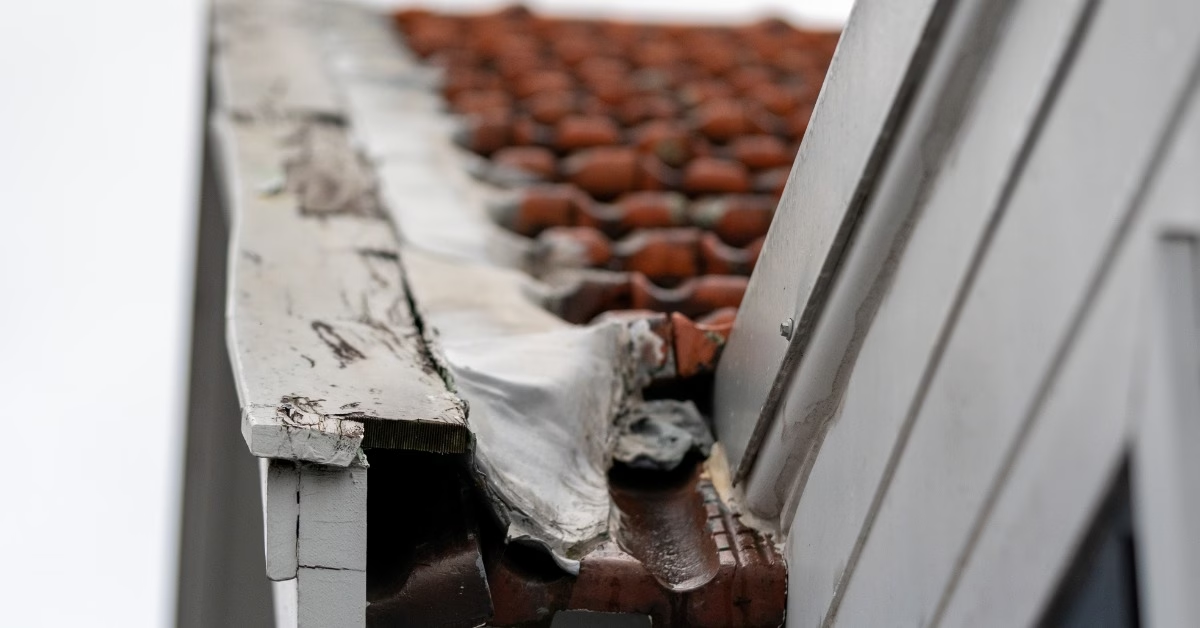
Fascia and soffits occupy vulnerable positions along the edge of the roof, where water and humid air regularly interact. Damaged gutters, overflowing runoff, roof leaks, or failing edge components can expose these materials to more moisture than they can comfortably manage. Wood fascia may soften, swell, peel, or deteriorate after prolonged moisture exposure, while damaged soffits can interfere with proper attic ventilation. Because these components sit overhead, homeowners sometimes overlook early deterioration until visible staining or sagging develops.
Humidity can compound an existing water problem by slowing the drying process after materials become wet. A small gutter leak that might seem harmless can repeatedly saturate the same section of fascia during storms, while humid conditions keep that wood damp between weather events. That extended moisture exposure gives deterioration more time to develop and can eventually affect nearby roofing components. Addressing the source of the moisture offers much better protection than simply covering visible damage.
Your Gutters Play a Major Role in Moisture Control
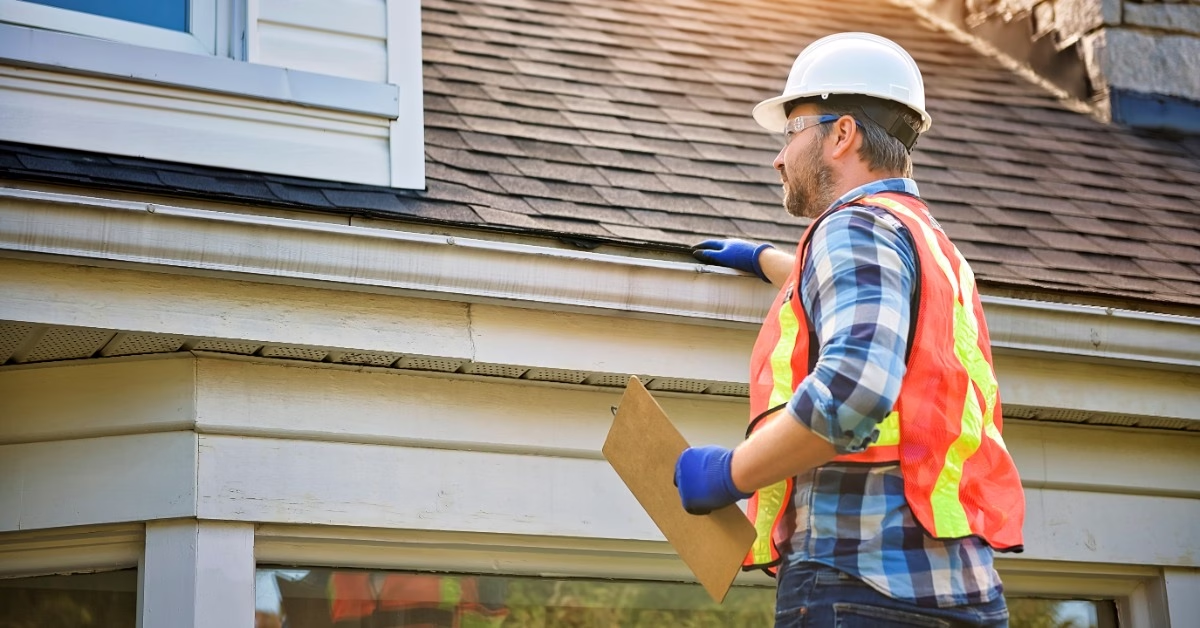
Georgia humidity creates an ongoing moisture challenge, but heavy rainfall can quickly turn that challenge into a drainage problem. Gutters collect runoff from the roof and direct it toward downspouts, which should carry water away from vulnerable areas around the home. Leaves, pine needles, roof granules, twigs, and other debris can restrict that flow and cause water to spill over the gutter edge. Overflow may soak fascia, splash against siding, collect near the foundation, or find openings around the roofline.
Homeowners can watch for several signs that the gutter system needs attention, including:
- Water spilling over gutter edges during rainfall
- Sagging or pulling gutter sections
- Stains along fascia boards or exterior walls
- Plants, moss, or accumulated debris inside gutters
- Loose, disconnected, or damaged downspouts
- Standing water that remains inside gutters after a storm
- Damp areas or erosion near downspout discharge points
As such, routine gutter cleaning and maintenance can prevent many of these problems before they spread to other parts of the home. Downspouts also need a clear path because an open gutter provides little benefit when a blockage prevents water from leaving the system. Homeowners should pay particular attention after storms or periods of heavy leaf and debris accumulation. Keeping drainage components working properly removes water faster and reduces the amount of time roofline materials remain exposed to moisture.
Shingles and Roof Decking Need a Chance To Dry
Asphalt shingles protect the roof deck from direct weather exposure, but the entire roofing assembly still needs effective drainage and ventilation. Repeated exposure to heat, moisture, and strong sunlight can place considerable stress on roofing materials over time. Damaged, missing, lifted, or deteriorated shingles may allow water to reach areas that should remain protected. Humid conditions can then slow dry time and allow moisture to linger within vulnerable parts of the roofing system.
The decking beneath shingles deserves particular attention because homeowners cannot easily inspect it from outside. Leaks around damaged shingles, flashing, vents, or roof penetration can introduce moisture that gradually affects the wood below. Warning signs inside the home may include ceiling stains, attic discoloration, musty smells, or visible moisture after rainfall. A qualified roofing company like ours can trace these symptoms back to their source and determine whether the problem involves surface materials, ventilation, flashing, decking, or several components together.
Mold and Organic Growth Can Signal Moisture Trouble
Warmth and moisture can create favorable conditions for unwanted biological growth around a home. Moss, algae, mildew, and mold don’t all indicate the same problem, but their presence can provide useful clues about areas that stay damp or receive limited airflow and sunlight. Homeowners may notice growth on roofing surfaces, fascia, shaded exterior areas, or inside an attic with moisture problems. Rather than treating discoloration as purely cosmetic, homeowners should investigate why that particular area remains susceptible.
Attic mold concerns deserve special attention because they may point toward ventilation problems, air leaks, roof leaks, or excessive indoor moisture. Simply cleaning visible growth without correcting the moisture source can allow the same conditions to return. Likewise, exterior growth near gutters or roof edges may indicate drainage, debris, shade, or maintenance issues that require a broader solution. Identifying the underlying moisture pattern can protect the home more effectively than repeatedly treating its symptoms.
Protect the Entire Roofline From Georgia Moisture
American Chimney Gutter & Roofing takes a whole-home approach to the areas above the roofline for homeowners in Marietta and throughout Northwest Georgia. The team understands how local weather can challenge roofs, gutters, chimneys, fascia, soffits, and attic ventilation, and they can identify where these systems need attention.
Protecting your home from Georgia humidity and its effects on the roofline starts with understanding how water moves, where moisture lingers, and which components need maintenance or repair. Schedule an inspection or service with American Chimney Gutter & Roofing to keep everything above your roofline ready for Georgia’s heat, humidity, rain, and changing seasons.