
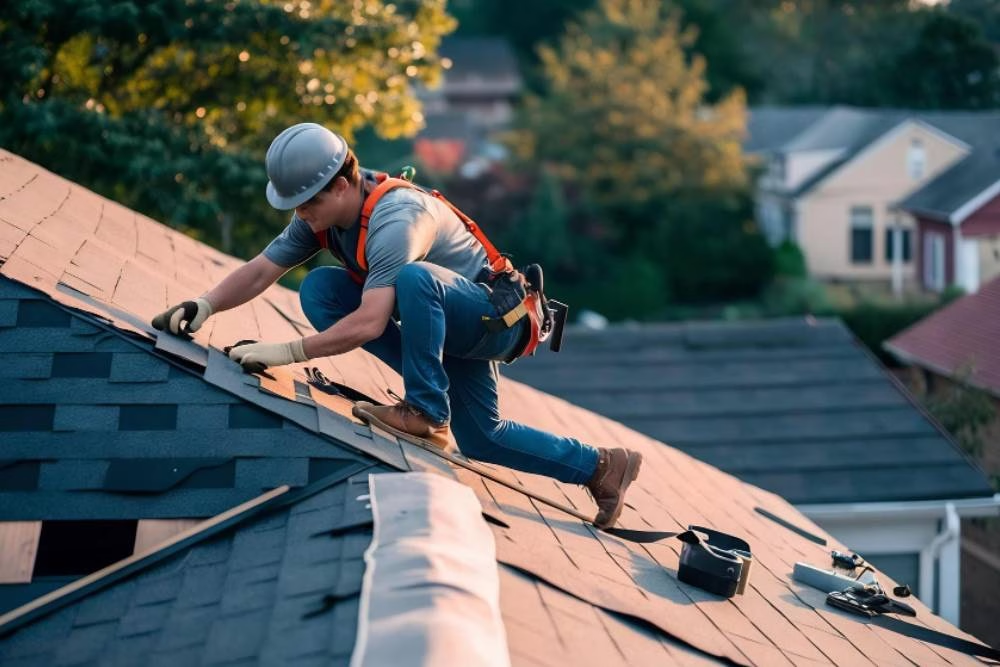
To accurately calculate roof replacement cost, homeowners need more than a quick estimate or a general price range. The final number is built step by step, based on the structure of the roof, the materials selected, the labor required, and the actual condition of the system beneath the surface.
For homeowners planning roof replacement services, understanding how these costs are calculated makes it easier to evaluate estimates and make informed decisions.
Without that understanding, it becomes difficult to tell whether a quote reflects the real needs of the home or just a surface-level assessment.
Start With Accurate Roof Measurements
Every calculation begins with the size of the roof. Roofing is not priced based on interior square footage. It is based on the total surface area of the roof itself. This includes slopes, angles, and structural features that are not visible from inside the home.
Accurate measurement requires more than estimating length and width. Roofs often include valleys, ridges, and overhangs that increase total area. Even a modest home can have a roof that is significantly larger than expected when these elements are included.
Contractors may use manual measurements, aerial tools, or digital imaging to determine the correct size. What matters is that the measurement accounts for every section of the roof. Missing even a small portion can lead to underestimating both materials and labor, which often results in adjustments once the project begins.
Material Selection Shapes the Cost Structure
The type of roofing material selected directly affects how the total cost is calculated. Each material has a different price per square foot and a different lifespan.
Asphalt shingles are commonly used because they are cost-effective and widely available. However, they tend to have a shorter service life compared to other options. Metal roofing, tile, and slate require a higher initial investment but often last much longer and require less frequent replacement.
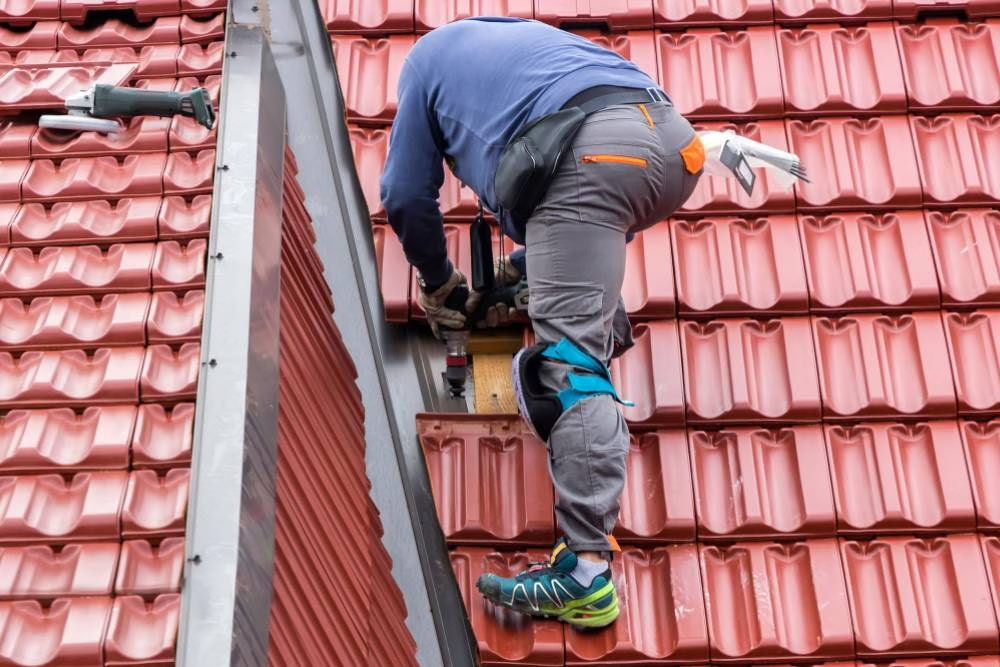
Material selection also affects installation. Heavier materials may require structural checks to confirm that the roof can support the added weight. Some materials require specialized installation methods, which increases labor time.
When calculating cost, it is important to consider both the initial price and how long the material will perform. A lower upfront cost may lead to more frequent repairs or earlier replacement, which changes the long-term value.
Labor Is a Major Part of the Calculation
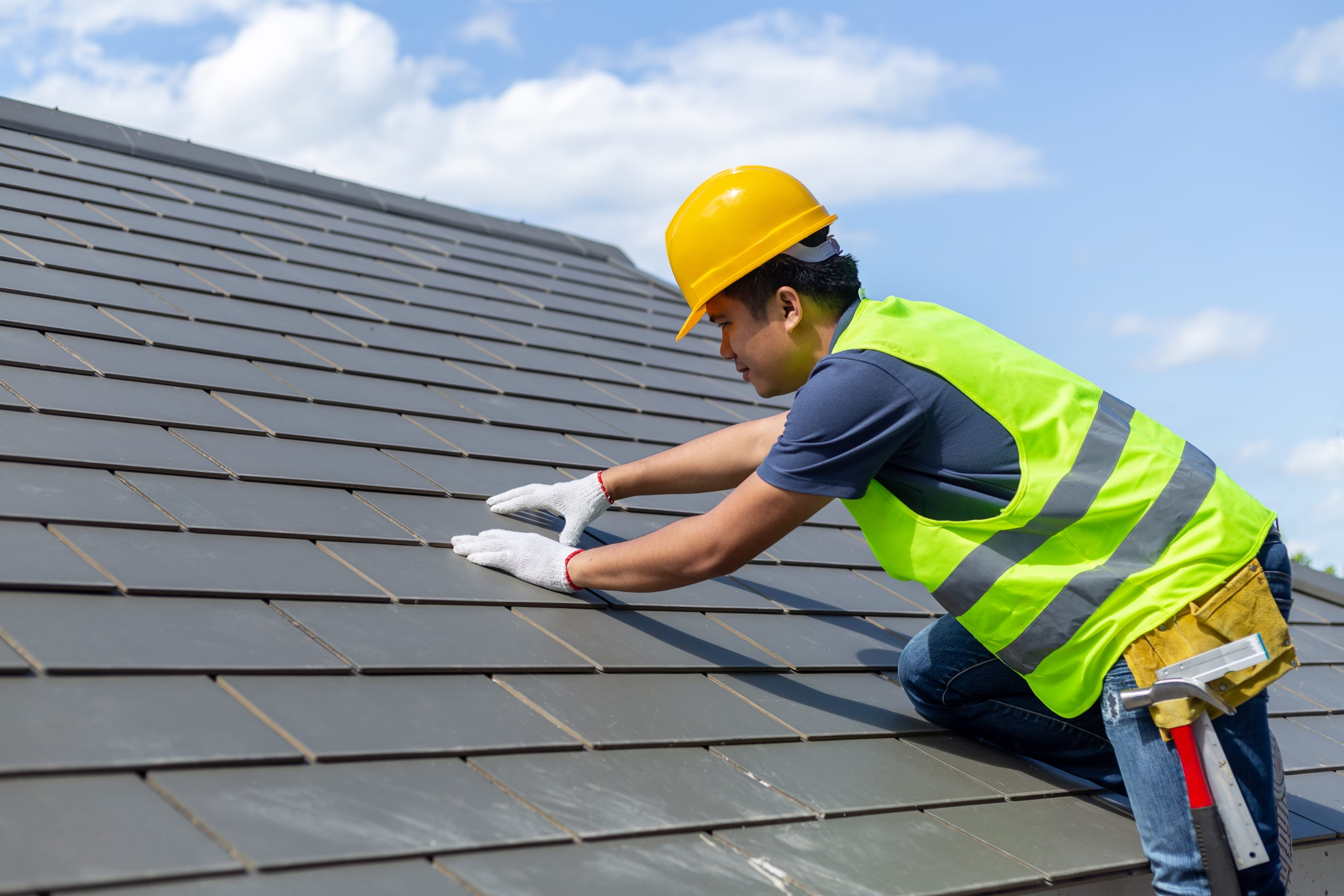
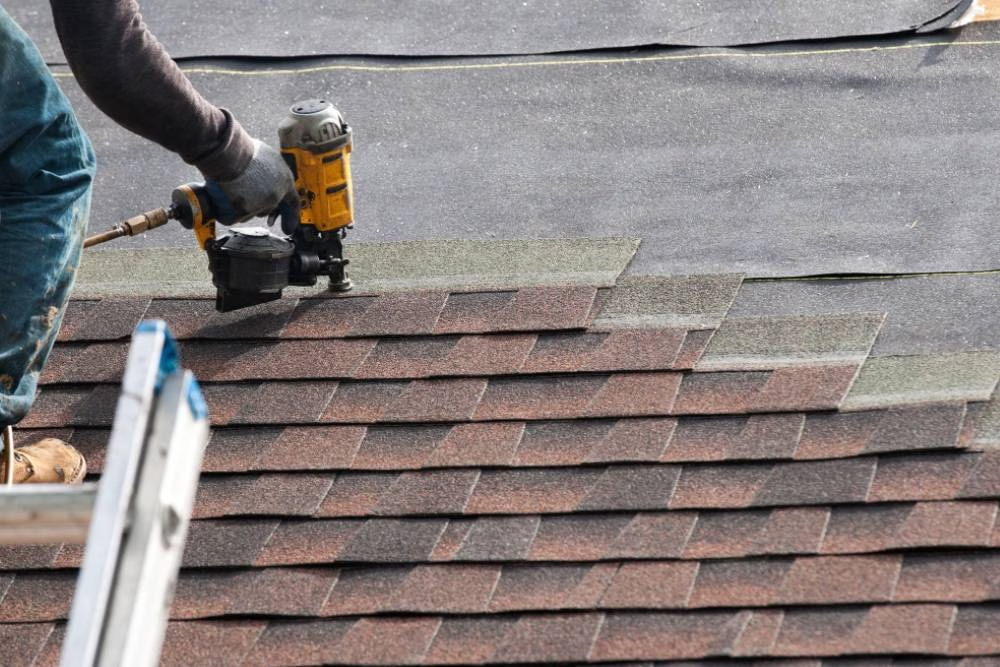
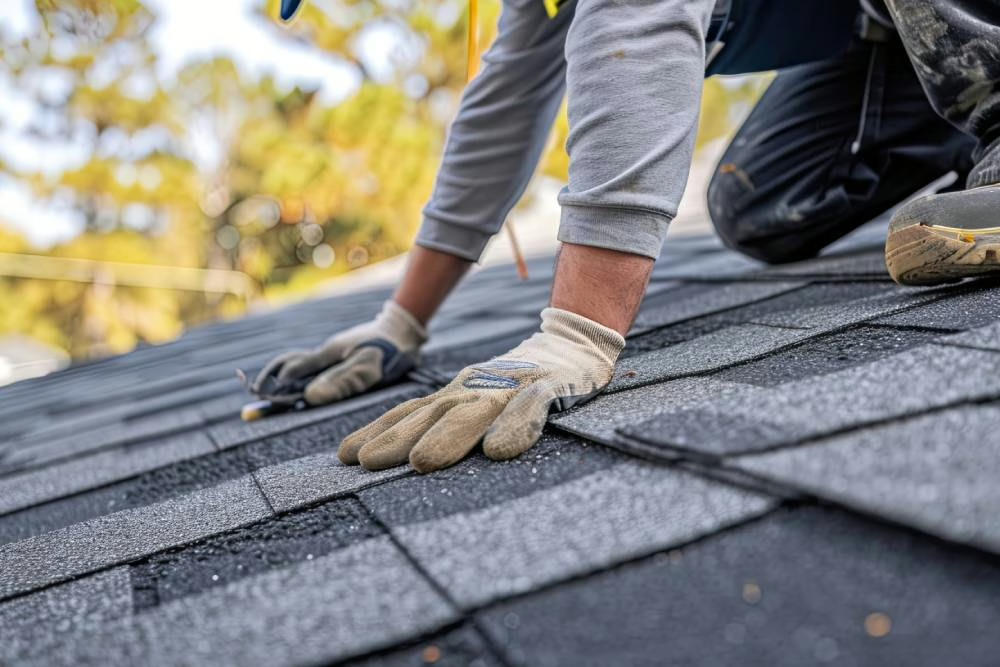
Labor is often one of the largest components of roof replacement cost. It includes removing the existing materials, preparing the surface, installing new materials, and ensuring all components are properly sealed and aligned.
The complexity of the roof has a direct impact on labor. Steeper roofs require more time and safety precautions. Roofs with multiple levels or detailed designs take longer to complete and require more precision.
Accessibility also influences labor costs. A home with limited access or multiple stories requires additional setup and coordination. This increases the time required to complete the project.
A properly installed roof depends on the skill and experience of the crew. Cutting corners during installation may reduce cost initially but often leads to issues that require additional work later.
Roof Complexity Changes the Entire Estimate
Roof design plays a significant role in cost calculation. A simple roof with a single slope is easier to work on than a roof with multiple sections, intersections, and features.
Complex roofs require more material adjustments and often lead to higher material waste due to cuts and fittings. They also take more time to install since each section must be carefully aligned to maintain proper drainage.
Features such as chimneys, skylights, and vents add another layer of complexity. These areas demand detailed work so they remain properly sealed. If not handled correctly, they can become points where water enters the system.
When evaluating cost, complexity should be treated as a core factor. It influences both materials and labor in ways that are not always immediately visible.
Removing the Existing Roof Adds to the Cost
Before a new roof can be installed, the existing materials often need to be removed. This process involves labor, equipment, and disposal costs.
The cost of removal depends on the type of material and the number of layers present. Heavier materials take longer to remove and require more effort to dispose of. Multiple layers increase both time and cost.
In some cases, new materials can be installed over existing shingles. While this may reduce initial cost, it limits the ability to inspect the underlying structure. This can lead to missed issues that affect the performance of the new roof.
Complete removal allows for a full inspection and a more reliable installation. It also means that the new system is built on a stable and properly prepared surface.
Structural Components That Affect Pricing
Once the existing roof is removed, the structure beneath becomes visible. This includes decking, underlayment, and flashing.
Decking serves as the foundation for the roofing system. If it shows signs of damage, it must be repaired or replaced before new materials are installed. This adds to the overall cost but is necessary for long-term performance.
Underlayment acts as a secondary barrier against moisture. It is often required to meet building standards and must be replaced during installation.
Flashing is installed around areas where the roof meets other structures, such as chimneys and vents. It prevents water from entering these vulnerable points. If flashing is damaged or worn, it must be addressed during the project.
These components are often not visible during the initial estimate. This is why many contractors include allowances for potential repairs.
Regional Conditions Influence Cost
Location affects how roof replacement cost is calculated. In Georgia, weather patterns, material availability, and labor demand all play a role.
Homes in areas with frequent rain or storm activity may require additional protective measures. This can include upgraded underlayment or reinforced installation methods.
Seasonal demand also affects pricing. Roofing projects are more common during certain times of the year, which can influence labor availability and scheduling.
Local regulations may require permits or inspections. These requirements add to the overall cost and must be included in the estimate.
Working with a trusted & local roofing company ensures that these factors are considered during the planning process.
Why a Roof Inspection Is Essential
A detailed roof inspection is one of the most important steps in calculating cost. Without it, estimates are based on visible conditions rather than the actual state of the roof.
An inspection identifies structural issues, drainage problems, and areas where moisture may be entering the system. It also helps determine whether additional repairs are needed before installation begins.
This step allows the estimate to reflect the true scope of work and helps reduce the likelihood of unexpected changes once the project is underway.
Additional Features and Adjustments
Some homes include features that affect roof replacement cost. Skylights, ventilation systems, and custom drainage solutions all require integration into the roofing system.
These features increase both material and labor requirements. They must be installed in a way that maintains the integrity of the roof while supporting proper airflow and drainage.
Overlooking these elements during planning can lead to incomplete estimates. Addressing them early helps keep the final cost aligned with the actual scope of the project.
Comparing Estimates With Clarity
Comparing multiple estimates allows you to identify differences in approach. This helps you determine which contractor has taken the time to evaluate your home properly.
Understanding how to calculate roof replacement cost allows you to see the reasoning behind each estimate rather than focusing only on price.
Balancing Cost With Long-Term Performance
Cost should always be considered in relation to long-term performance. Lower-cost options may seem appealing at first but can lead to higher maintenance or earlier replacement.
Investing in quality materials and proper installation often reduces long-term issues. It also improves how the roof performs under changing conditions.
This balance between cost and performance is key to making the right decision, making sure that the investment supports the overall condition of the home.
Planning With Confidence
Calculating roof replacement cost is a process that involves measurement, evaluation, and informed decision-making.
Each factor contributes to the final number. Understanding these factors allows homeowners to approach the project with confidence and clarity.
At AmericanCGR we do the hard number crunching for you! Our roof installation and repair estimates are all inclusive, so that includes materials, labor, etc. all added up in one easy total with clear explanations that help you understand what is included and why. If something is unclear, we are happy to address any questions or concerns before the project begins.
Built Around What Your Roof Actually Needs
Every home has its own starting point, which is why we begin with a detailed assessment instead of assumptions. At American Chimney Gutter & Roofing, we focus on understanding the full condition of your roofline before recommending next steps. You get clear answers, a detailed breakdown, and work handled with attention to detail so your investment supports long-term performance.
Get a Clear, Accurate Estimate Before You Move Forward
If you’re ready to calculate roof replacement cost based on your actual roof, not assumptions, the next step is a detailed inspection. At American Chimney Gutter & Roofing, we take the time to evaluate every part of your roofline, explain what we find, and outline practical options that make sense for your home.
Call 678-721-1700 to schedule your inspection or request an estimate. You’ll get straightforward answers, a clear scope of work, and a plan you can move forward with confidently.