
Clogged gutters are one of the most overlooked maintenance issues homeowners face. While they may seem minor, they directly affect how water moves around your home. When gutters stop functioning properly, moisture begins to collect in areas that were never designed to handle it.
Understanding the early signs helps you take action before small issues turn into structural concerns. If you’re dealing with seasonal debris or evaluating different types of gutters, recognizing these warning signals can help maintain the long-term condition of your home.
Water Overflowing During Rainfall
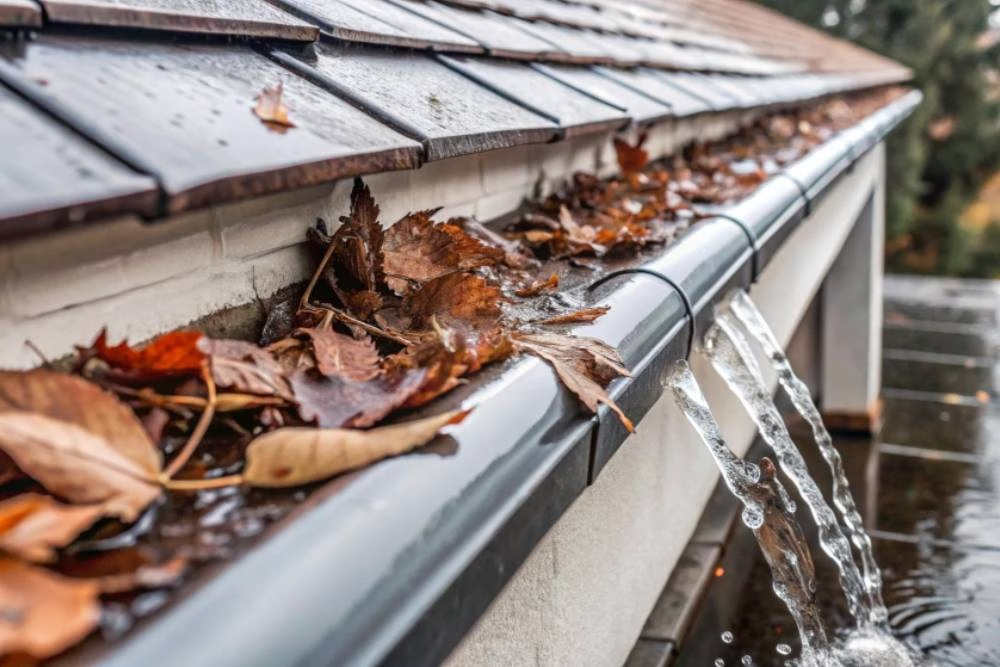
When gutters are functioning properly, water should move through the system and exit through the downspouts without interruption. If you notice water spilling over the edges during rainfall, it often means debris is blocking the internal channel. This overflow typically runs down siding and collects near the base of the home.
Over time, repeated overflow can affect exterior surfaces and soil stability. Observing your gutters during a steady rain is one of the simplest ways to evaluate whether water is moving as intended.
Sagging or Misaligned Gutter Sections
Gutters are installed with a slight pitch to guide water toward the downspouts. When debris builds up, the added weight can cause sections to sag or shift out of alignment. This disrupts the natural flow of water and creates low points where moisture collects.
Over time, brackets may loosen and connections weaken. Sagging affects performance. If left unaddressed, misaligned sections can lead to improper drainage and increased stress on the entire gutter system.
Plant Growth Inside the Gutter Channel
Gutters are not designed to hold soil or support plant life. When leaves, dirt, and organic debris accumulate, they can create conditions where seeds begin to grow. The presence of grass or small plants in your gutters indicates that moisture has been sitting there for an extended period.
This buildup blocks water flow and accelerates material deterioration. Regular inspection helps prevent this level of accumulation and keeps the system clear of organic obstructions that interfere with drainage.
Visible Staining on Siding or Exterior Walls
Streaks or discoloration on siding often point to water consistently escaping from the gutter system. When water flows over clogged sections, it carries dirt and debris along exterior walls, leaving visible marks. These stains indicate that water is not being directed properly through downspouts.
Continuous exposure can affect the condition of siding materials and underlying structures. Identifying these patterns early allows homeowners to address drainage issues before they spread to other parts of the home.
Increased Pest or Insect Activity
Clogged gutters often create a damp, sheltered environment that attracts pests. Birds may nest in debris, while insects are drawn to standing water. According to guidance from the Centers for Disease Control and Prevention, stagnant water can become a breeding ground for mosquitoes.
Increased pest activity near your roofline may signal that debris has been sitting undisturbed. Addressing the blockage not only improves drainage but also reduces conditions that encourage unwanted activity around your home.
Water Pooling Near the Foundation
Gutters are designed to move water away from your home’s foundation. When clogs prevent proper flow, water may spill over and collect near the base of the structure.
This repeated exposure can saturate the surrounding soil and affect how water drains away from the home.
While pooling may appear minor at first, it often indicates that the gutter system is not directing water efficiently. Checking the ground after rainfall can reveal whether water is being diverted as intended.
Downspouts Not Draining Properly
Downspouts play a critical role in carrying water away from the gutter system. If they are blocked, water cannot exit properly, leading to backups within the gutters.
You may notice slow drainage, water spilling near the top, or pooling around the base of the downspout. These signs often point to debris lodged inside elbows or vertical sections.
Clearing downspouts helps water flow freely through the entire system and prevents pressure from building within clogged sections.
Debris Accumulation Along the Roofline
Leaves and debris collecting along the roof edge often signal that gutters are already full. When the system cannot accept additional material, debris begins to sit on top or near the entry point.
This buildup can redirect water under shingles or toward areas that are more vulnerable to moisture exposure. Regular removal of debris helps maintain proper flow and prevents accumulation from spreading beyond the gutter system itself.
Ice Formation Along the Gutter Edge
During colder periods, clogged gutters can contribute to ice formation along the roofline. When water cannot move through the system, it may freeze at the edges, creating added weight and stress.
This can affect both the gutter structure and surrounding materials. While this is more common in colder climates, occasional freezing conditions can still impact homes in Georgia.
Keeping gutters clear helps maintain consistent water flow and reduces the likelihood of ice-related stress on the system.
Fascia or Wood Deterioration
Fascia boards support the gutter system and sit directly behind it. When gutters overflow, water repeatedly comes into contact with this wood surface.
Over time, this exposure can lead to softening, warping, or visible deterioration. These changes often indicate prolonged moisture contact caused by improper drainage.
Addressing clogged gutters early helps protect structural components that are not designed to handle continuous water exposure.
Unfamiliar Changes After Storms
After heavy rainfall or seasonal storms, gutters can quickly accumulate debris. Branches, leaves, and roofing particles may settle into the system and restrict water flow.
If you notice changes such as new overflow patterns, unusual sounds, or visible buildup, it’s worth inspecting the gutters more closely.
Homes in Northwest Georgia often experience varied weather conditions, making post-storm checks an important part of routine maintenance and early issue detection.
Schedule a Thorough Inspection with a Team That Values Getting It Right
If you’ve noticed any of these signs, it’s worth taking a closer look before small issues turn into ongoing maintenance concerns. At American Chimney Gutter & Roofing, we focus on clear assessments, practical solutions, and work that’s done with attention to detail.
Call 678-721-1700 to schedule your inspection or request an estimate. We’ll walk you through what we see, explain your options, and help you keep everything above the roofline working as it should.