

Quick Summary
Chimney leaks start at the top and work downward. A broken crown, cracked flashing, soft mortar, or a missing cap invites water inside. Water freezes, expands, and creates larger gaps over time. A small crack today becomes expensive structural trouble later. Sealing these four weak spots keeps your chimney dry and your home safe from hidden water damage.
Water stains on your ceiling often point to a hidden problem, and knowing what causes chimney leaks helps you stop the damage quickly. Rain and snow find their way through the smallest cracks, turning a tiny gap into a big repair bill. Before you call for help, check your gutters; clogged gutters often push water right where it does the most harm, which is why our gutter experts in Marietta, GA suggest regular cleaning.
At American Chimney Gutter & Roofing, we have spent over 25 years fixing these exact issues for homeowners. We use our experience to find the source of the leak and fix it right the first time. Our team handles everything from chimney caps to full masonry repairs, and we also offer gutter installation in Marietta to keep your home dry from top to bottom.
Damaged Chimney Crown Allows Water Entry
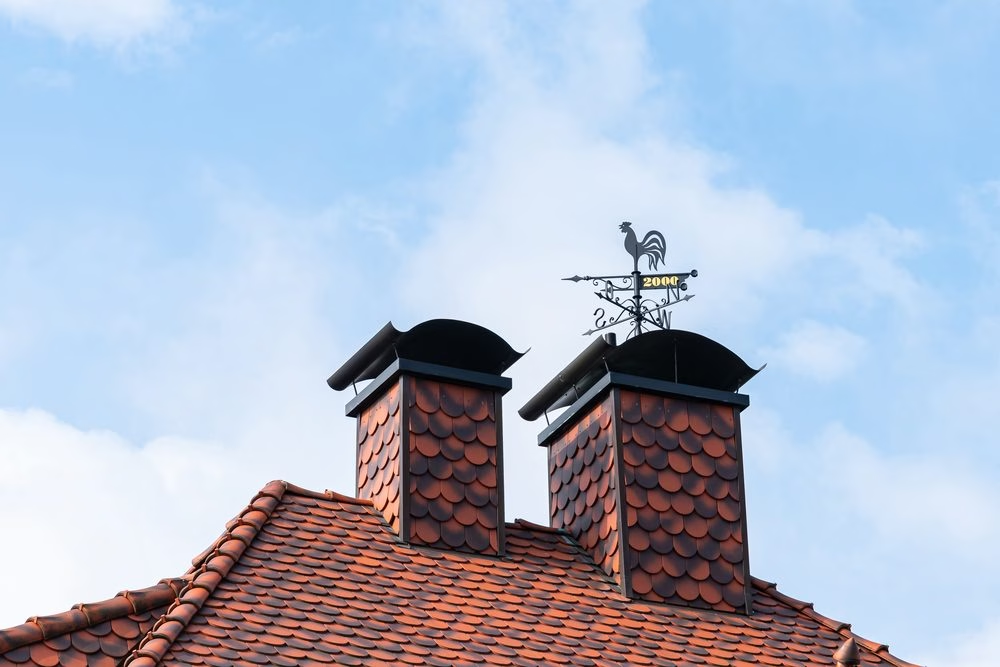
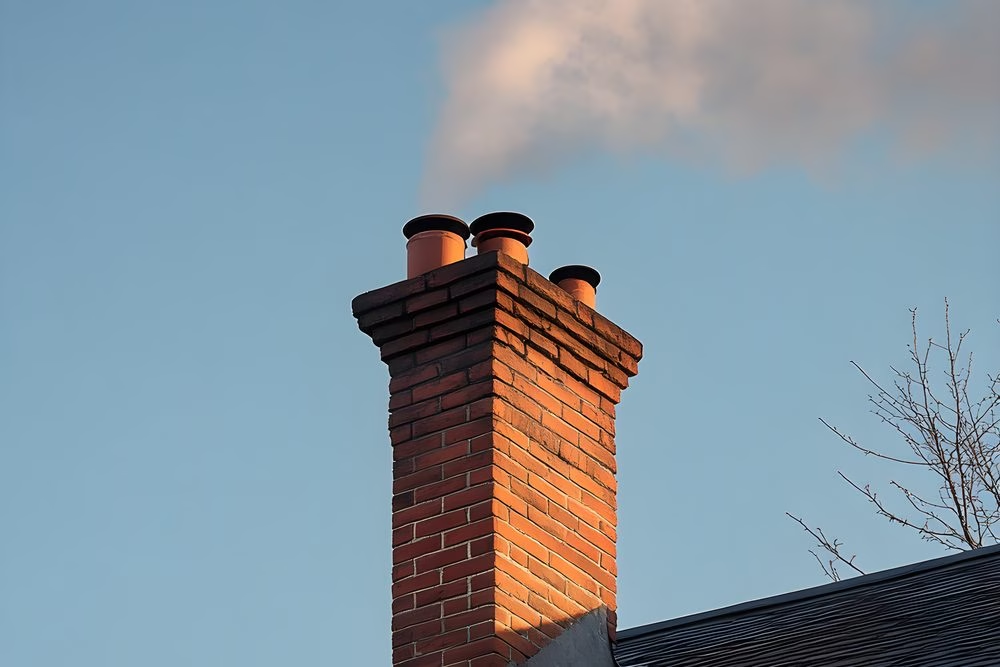
The crown is the concrete slab that sits on top of your chimney, and it works like a roof for the bricks below. Cracks in this crown let water seep straight into the structure, and this is one of the most common answers to what causes chimney leaks. Once water gets behind the crown, it runs down the inside of the chimney and damages your walls.
Cracked Chimney Flashing Causes Major Leaks
Flashing is the thin metal strip that seals the gap between your roof and the chimney. When this metal bends, rusts, or pulls away, it leaves a wide-open path for rainwater to enter your home. This is a frequent chimney leak cause, and it often goes unnoticed until water appears on your ceiling or in your attic. Repairing flashing requires careful work to create a watertight seal.
Worn Mortar Joints Let Moisture Inside
Mortar is the material that holds your chimney bricks together, and it crumbles over time due to weather and age. When the mortar wears away, moisture finds a direct route into the chimney walls. This water then freezes in cold weather, which makes the cracks wider and the problem worse. Keeping the mortar in good shape is a key part of chimney maintenance.
Missing Chimney Cap Exposes Flue to Rain
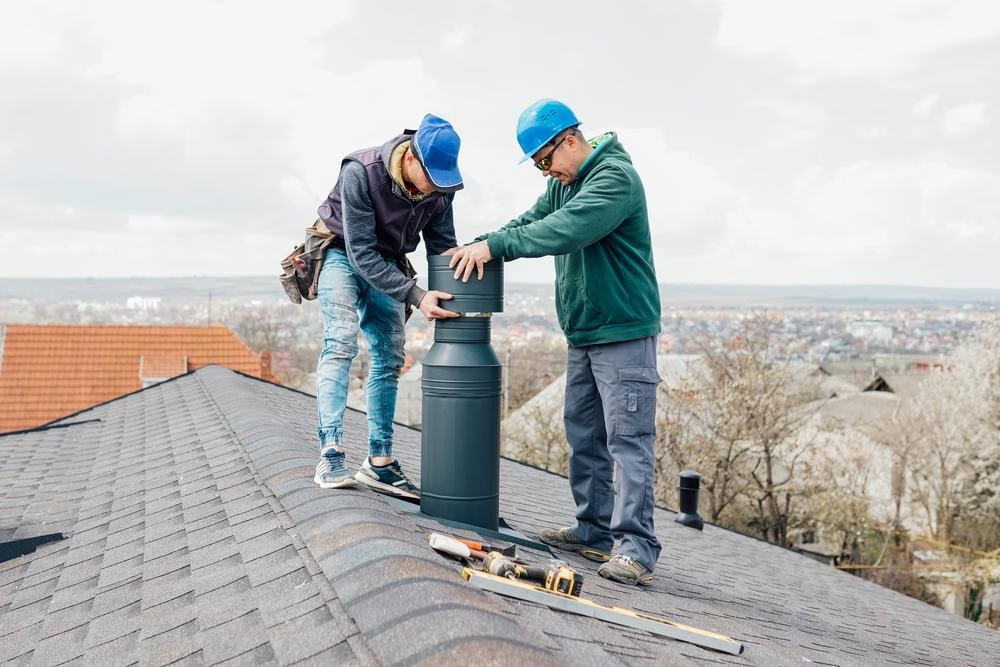
The cap sits on top of the flue opening and stops rain from falling straight down into your fireplace. Without a cap, every rainstorm pours water directly into the chimney, which damages the liner and the fireplace below. A cap also keeps out animals and debris, so replacing a missing one is a simple fix for a major problem. This is a primary reason for what causes chimney leaks in many homes.
Porous Brickwork Absorbs Water Over Time
Bricks are strong, but they are not waterproof, and they soak up water like a sponge over the years. This absorbed moisture eventually leads to spalling, where the face of the brick flakes off and crumbles. Water that penetrates the brick can also damage the interior walls of your home. Sealing the brickwork helps prevent this common chimney leak cause.
Faulty Chimney Liner Creates Internal Leaks
The liner is the pipe inside the chimney that carries smoke and gases up and out of your home. If this liner cracks, it allows water and condensation to seep through to the bricks. This water damages the masonry from the inside, and it can also be a safety hazard due to the gases that might escape. Replacing a broken liner stops these hidden leaks.
Poor Roof and Chimney Sealing Fails
The point where your roof meets the chimney is a common weak spot for water entry. Over time, the sealant around this joint dries out, cracks, and fails to keep water out. This failure allows rain to run down the side of the chimney and soak into the roof deck. A proper seal is necessary to keep water out of your home.
Clogged Gutters Overflow Near Chimney Base
Gutters are designed to carry water away from your house, but clogged gutters simply spill water over the side. This water then falls directly next to the chimney base, where it can pool and seep into the foundation. This is a surprising chimney leak cause, and it is one of the easiest problems to prevent. Clearing your gutters keeps water flowing where it should go.
Ice Dams Form Around Chimney Structure
In winter, ice dams form when snow melts and refreezes at the edge of your roof. These dams hold water against the chimney and roof, giving it time to leak through the shingles and flashing. The weight of the ice can also pull the flashing away from the chimney. This problem causes extensive water damage and is a common cause of winter leaks.
Condensation Builds Inside Chimney Flue
Condensation happens when warm, moist air hits a cold chimney surface, turning into water droplets. This water then runs down the flue and soaks into the bricks and mortar below. Over time, this moisture causes the same damage as rain, and it is a major chimney leak cause. Proper chimney insulation helps reduce the amount of condensation that forms.
Chimney Siding and Stucco Cracks Leak
Some chimneys are covered with siding or stucco that protects the bricks from the weather. When this surface cracks, water gets behind it and becomes trapped against the chimney wall. This trapped moisture leads to rot, mold, and structural damage over time. Repairing these cracks quickly can stop a small problem from becoming a major repair.
Improper Chimney Slope Traps Rainwater
The top of the chimney should have a slight slope that pushes water off the crown and away from the flue. If the crown is flat or dips in the middle, it collects water and holds it against the bricks. This standing water eventually seeps through the smallest cracks. A properly sloped crown is a simple but vital part of a leak-free chimney.
Deteriorated Chimney Sealant Wears Away
Sealant is used around the flashing and crown to fill gaps and stop water from entering. This sealant breaks down under the sun and rain, becoming brittle and less effective. Old sealant is a common chimney leak cause, and it needs to be replaced regularly to keep your chimney waterproof. Checking and re-sealing these areas helps maintain a strong defense against moisture.
Animal Nests Block Chimney Drainage Paths
Birds and other animals often build nests inside chimneys, which block the flue and trap water. These nests create dams that hold rainwater against the chimney walls instead of letting it flow down. The moisture from the trapped water then rots the masonry from the inside. A sturdy chimney cap prevents animals from building nests and stops this problem.
Foundation Settling Shifts Chimney Alignment
A house settles over time, and this settling can cause the chimney to shift or tilt slightly. This movement creates cracks in the mortar and masonry that let water inside. The cracks often appear where the chimney meets the roof or the house structure. This is a less common but serious chimney leak because that requires professional attention.
FAQs
How Fast Does a Small Chimney Crack Cause Damage?
One tiny crack grows wider with each freeze and thaw cycle. Water enters, freezes, and pushes the gap open a little more. A hairline split becomes a structural problem within one hard winter season.
Can Water from A Chimney Leak Reach My Attic?
Water follows the brickwork straight down past your roofline into ceiling joists. Dark stains appear on attic wood long before you notice the leak. Mold begins growing on damp insulation within two days of the moisture entry.
Why Does Chimney Mortar Crumble So Easily Over Time?
Wind-driven rain saturates the porous lime-based material season after punishing season. Acidic rain slowly dissolves the binding agents holding the sand together. Gravity pulls the loosened grains out as fine powder after heavy storms.
Does A Chimney Cricket Stop Water Buildup Behind the Brick?
A cricket diverts heavy rain away from the wide chimney shoulder on steep roofs. Snow slides past the brick body instead of piling against the back edge. This simple roof feature eliminates standing water pressure on the flashing seams.
Protect Your Home with American Chimney Gutter & Roofing
Your chimney works hard to keep your family safe and warm, but water can undo that work in a short time. At American Chimney Gutter & Roofing, we know that a small leak today leads to expensive damage tomorrow. We have served Marietta and Northwest Georgia for over 25 years, and we are a trusted licensed roofing contractor in Georgia.
Our team offers expert chimney sweeps, masonry repair, and cap installation, and we also handle gutter repair or replacement in Marietta. We are licensed, insured, and hold an A+ rating with the Better Business Bureau. Do not let a chimney leak threaten your home. Call American Chimney Gutter & Roofing today for an inspection. We will find the problem, fix it right, and help you breathe easy.