Quick Summary
A Level 1 chimney inspection is a basic evaluation of a chimney system to confirm it is in safe working condition and free from visible issues. It focuses on accessible interior and exterior areas of the chimney, including the firebox, flue, and visible structure. This type of inspection is typically recommended for chimneys used regularly without known performance problems. The process helps identify buildup, blockages, or early signs of wear that may affect system efficiency. Understanding this inspection helps homeowners stay informed about routine chimney care and safety practices.
A Level 1 chimney inspection is the most commonly performed type of chimney evaluation. It is designed for systems that are used under normal conditions and are not showing signs of malfunction or damage.
This inspection follows standards developed by the National Fire Protection Association, which outlines how chimney systems should be evaluated for safe operation. The goal is to confirm that all visible and accessible parts of the system are in acceptable condition for continued use.
For homeowners, this type of inspection is often part of routine fireplace maintenance and general home safety care.
Areas Covered During the Inspection
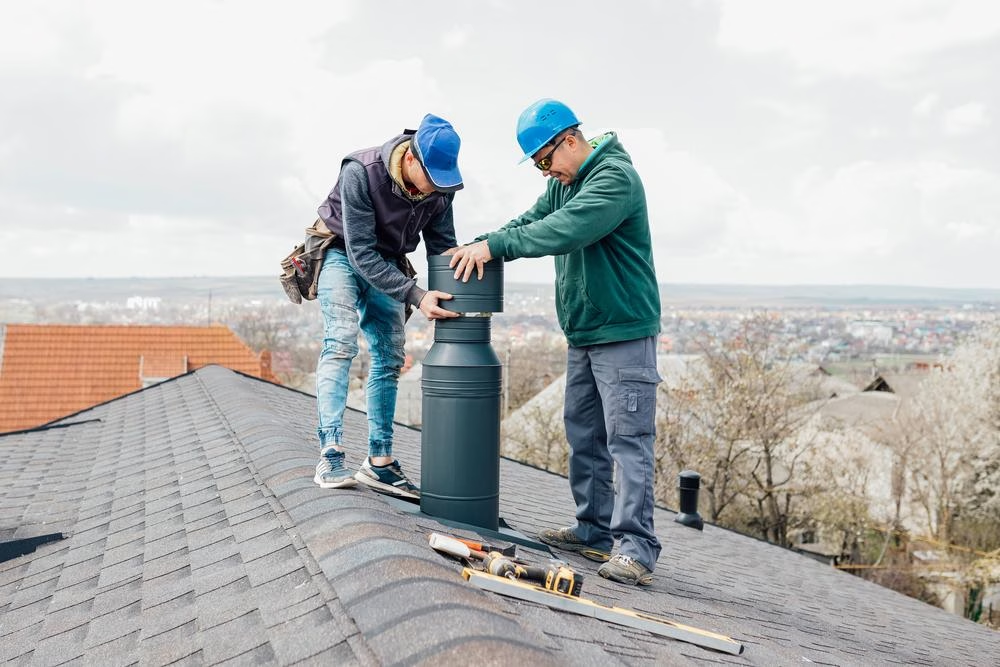
During a Level 1 inspection, a technician reviews all readily accessible parts of the chimney system. This means areas that can be reached without removing panels, disassembling components, or using specialized equipment.
The inspection typically includes:
- Chimney interior surfaces and flue lining
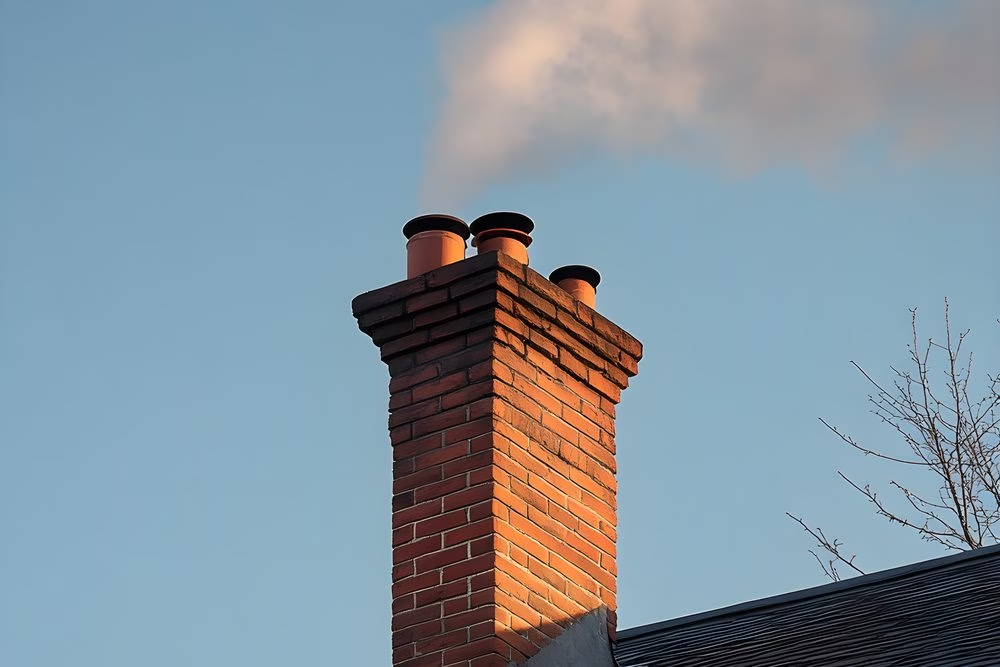
- Exterior masonry or visible chimney structure
- Firebox condition and basic installation setup
- Visible connectors and joints
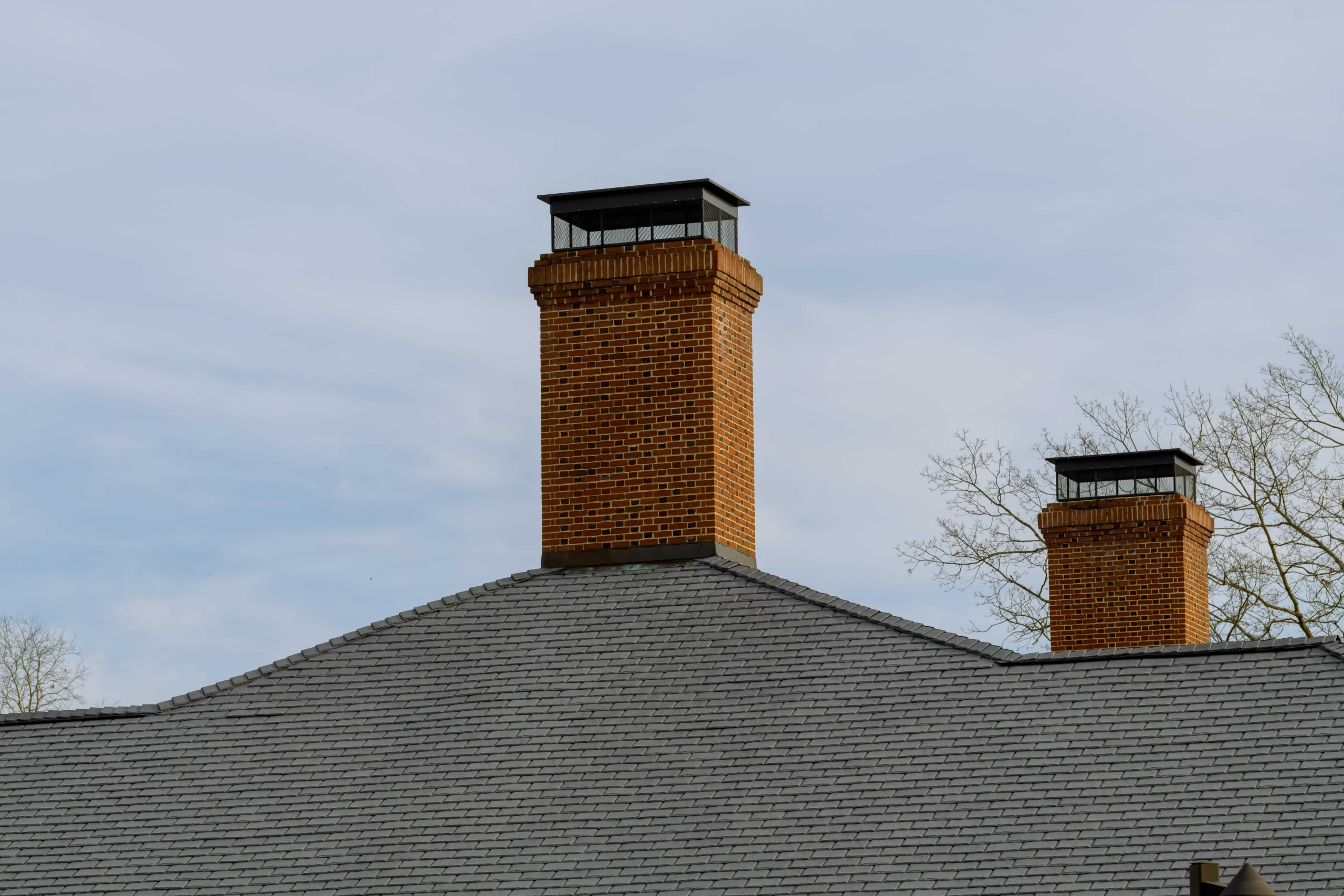
- Chimney crown and exposed upper sections
The technician also checks for obstructions such as leaves, twigs, or nesting material that may restrict airflow. In addition, they look for signs of creosote buildup and assess whether further cleaning may be needed based on its condition.
Firebox and Clearance Evaluation
A key part of the inspection involves reviewing the firebox area and surrounding clearances. This step helps confirm that combustible materials are positioned at a safe distance from heat-producing components.
Even small gaps in clearance or wear in surrounding materials can affect long-term fireplace performance. This evaluation helps ensure the system continues operating within safe usage conditions.
Identifying Blockages and Buildup
Chimney systems can gradually collect debris or residue over time. During inspection, technicians check for any visible blockages that may restrict airflow through the flue.
Creosote buildup is also evaluated, as it can form in different stages depending on usage patterns and fuel type. Identifying buildup early helps homeowners stay aware of when cleaning may be needed to maintain efficient operation.
When a Level 1 Inspection Is Recommended
A Level 1 chimney inspection is generally recommended when:
- The chimney is used regularly under normal conditions
- There are no known performance issues
- No major changes have been made to the system
- Routine annual maintenance is being performed
It is not intended for chimneys that have experienced damage, structural modification, or performance concerns. In those cases, a more detailed inspection level may be required.
Importance of Routine Chimney Evaluations
Regular chimney inspections help homeowners stay informed about the condition of their fireplace system. Over time, exposure to heat, moisture, and natural debris can affect chimney performance.
The National Fire Protection Agency (NFPA) recommends annual inspections cleaning and repairs as needed. These evaluations help identify small changes before they develop into larger maintenance concerns. This supports consistent airflow, cleaner combustion, and better overall system function during use.
Talk With Our Team About Chimney Inspections
We provide residential chimney services as part of our above the roofline approach to home maintenance across Northwest Georgia. Our inspections ( 14 point written safety checks) focus on accessible chimney components, looking for buildup, blockages, and visible wear that may affect performance over time.
Homeowners rely on us to deliver clear findings and practical recommendations that detail the current condition of their system.
The goal is to help maintain safe, consistent operation while keeping chimney care straightforward and informed.
Above the Roofline Care You Can Rely On
We take a straightforward approach to chimney evaluations, focusing on real system conditions rather than unnecessary complexity. Our team reviews accessible components, checks for buildup or blockages, and helps homeowners understand how their chimney fits into the overall roofing system. This approach supports long-term performance and helps maintain safe operation throughout regular use.
Schedule a Chimney Inspection
If you are unsure about the condition of your chimney or have not had it inspected recently, our team at American Chimney Gutter & Roofing can help.
We provide chimney evaluations across Northwest Georgia with a focus on clear communication and dependable service.
Reach out to schedule an inspection and keep your fireplace system in proper working condition.
FAQs
What is the purpose of a Level 1 chimney inspection?
It is a basic inspection that evaluates visible and accessible parts of the chimney to confirm it is in safe working condition for continued use.
How often should a Level 1 inspection be done?
Most homeowners schedule this type of inspection annually if the chimney is used regularly and shows no performance issues.
What problems can a Level 1 inspection identify?
It can identify visible cracks, blockages, creosote buildup, and general wear in accessible chimney components.
Does a Level 1 inspection include cleaning?
No, it focuses on inspection only, although cleaning may be recommended if buildup is found during the evaluation.