

Quick Summary
Gutters play a critical role in protecting your roofline, siding, and foundation from heavy rain and water damage throughout every season of the year. When something goes wrong with this system, water can find its way into places it should never reach inside your home. Homeowners across the region often encounter the same handful of issues, and each one tends to develop for a fairly predictable reason. Understanding these warning signs early can help you address small concerns before they grow into larger and more expensive repairs down the road.
Every homeowner eventually deals with gutter problems at some point, since these systems work hard all year to channel rainwater away from the roof, siding, and foundation. Georgia’s heavy storms and falling leaves put extra strain on this system, and even a professionally completed gutter installation can develop concerns over time if routine maintenance and inspections are overlooked.
Gutter systems can experience a variety of issues over time, including clogged channels, sagging sections, separated fascia boards, and materials that gradually deteriorate with age, which is why so many homeowners turn to gutter experts in Marietta, GA for guidance. Knowing what to look for and why it happens gives you a head start on protecting your home before water finds its way somewhere it should never be.
Clogged Gutters
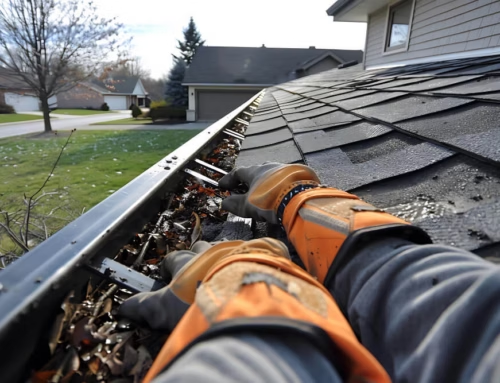
Debris accumulation remains one of the most common reasons gutters stop functioning efficiently, particularly in neighborhoods with mature trees that regularly shed leaves, twigs, seeds, and other organic materials. As debris builds inside gutter channels, rainwater loses its ability to move freely toward downspouts, causing overflow that can affect nearby building materials during periods of moderate or heavy rainfall.
Beyond restricting water flow, accumulated debris can trap moisture inside the system for extended periods, creating additional strain on gutter materials and mounting hardware. Standing water combined with organic debris may also attract insects and contribute to premature deterioration. Routine inspections and seasonal cleaning help homeowners identify developing concerns before drainage performance becomes significantly compromised.
Leaking Seams and Joints
Many gutter systems contain multiple connection points where sections are joined together, creating areas that may become vulnerable to wear as years of exposure affect sealants and fastening materials. As these connections age, small openings can develop, allowing water to escape before reaching the downspouts and intended drainage locations around the property.
Although minor leaks may appear insignificant at first, repeated moisture exposure can gradually affect fascia boards, soffits, siding, and landscaping located beneath damaged sections. Homeowners may notice staining, water streaks, or damp areas around connection points following rainfall. Addressing leaks early helps limit unnecessary moisture exposure while maintaining the overall effectiveness of the drainage system.
Sagging Gutters
Gutters are designed to maintain a specific slope that directs water efficiently toward downspouts, making proper alignment essential for long-term performance. When fasteners loosen or mounting hardware weakens, sections of the system may begin pulling away from the home. This change in positioning can interfere with water flow and create areas where standing water regularly collects.
The added weight created by trapped water and debris can accelerate the problem, placing even greater stress on existing hardware and surrounding materials. Homeowners who notice visible separation between gutters and roof edges should consider having the system evaluated promptly. Early attention can help prevent additional strain while restoring proper drainage throughout the affected sections.
Improper Downspout Drainage
Even when gutters remain clean and structurally sound, drainage concerns may still develop if downspouts fail to carry water far enough away from the home. Water discharged too close to the foundation can accumulate near structural components, increasing moisture levels in areas that benefit from remaining as dry as possible during and after rainfall.
Many homeowners focus on gutter channels while overlooking the important role downspouts play within the overall drainage system. Evaluating water flow patterns after significant rainfall can reveal areas where runoff collects near the structure. Simple adjustments to downspout placement or drainage extensions may improve water distribution and reduce concentrated moisture around the property.
Rust and Material Deterioration
Exposure to changing weather conditions can gradually affect gutter materials over time, particularly when standing water remains inside the system for extended periods. Rust, corrosion, and surface deterioration may begin as relatively minor issues before expanding into larger openings that interfere with proper drainage. Even durable materials benefit from regular inspections that identify early signs of wear.
As deterioration progresses, affected sections become more vulnerable to leaks and structural weakness. Homeowners who notice discoloration, flaking surfaces, or visible material damage should consider scheduling a professional evaluation before conditions worsen. Identifying deterioration during its earlier stages can help extend the lifespan of the system while reducing the likelihood of more extensive repairs.
Storm-Related Damage
Severe weather events can create a variety of gutter issues, particularly when strong winds, heavy rainfall, and falling debris place additional stress on exterior drainage components. Branches may strike gutters directly, while powerful wind gusts can loosen fasteners and shift sections out of alignment. Even systems that appear intact from the ground may experience hidden damage.
Post-storm inspections play an important role in identifying developing concerns before they create larger maintenance challenges. Small alignment issues, loose hardware, or minor dents can affect drainage performance over time if left unaddressed. Evaluating gutters after significant weather events helps homeowners maintain reliable water management while protecting surrounding roofing and exterior building materials.
Schedule Gutter Inspection Today
At American Chimney Gutter & Roofing, we want every homeowner in Northwest Georgia to feel confident about the condition of their gutters all year long. Contact us today to schedule a thorough inspection and let our experienced team take a closer look at your gutter system before small concerns become bigger headaches.
FAQs
What is the most common gutter problem homeowners experience?
Clogging caused by leaves, twigs, and other debris remains one of the most frequent drainage concerns because accumulated materials restrict water flow and increase the likelihood of overflow during rainfall.
How can I tell if my gutters are sagging?
Visible separation from the roofline, standing water inside gutter channels, and sections that appear uneven can indicate sagging that may affect drainage performance and require professional attention.
How often should gutters be inspected?
Inspection should be done twice annually, particularly before and after seasons that bring heavy rainfall, falling leaves, or severe weather activity.